How to Remove Nail Art Without Damaging Nails– If there’s one beauty habit that quietly sabotages healthy nails, it’s improper nail art removal. I’ve seen it again and again—beautiful manicures undone not by polish, but by rushed soaking, aggressive scraping, or skipping aftercare entirely.
As a beauty consultant who juggles real life (deadlines, family schedules, and yes—busy mornings), I’ve learned this the hard way: how you remove nail art matters just as much as how you apply it.
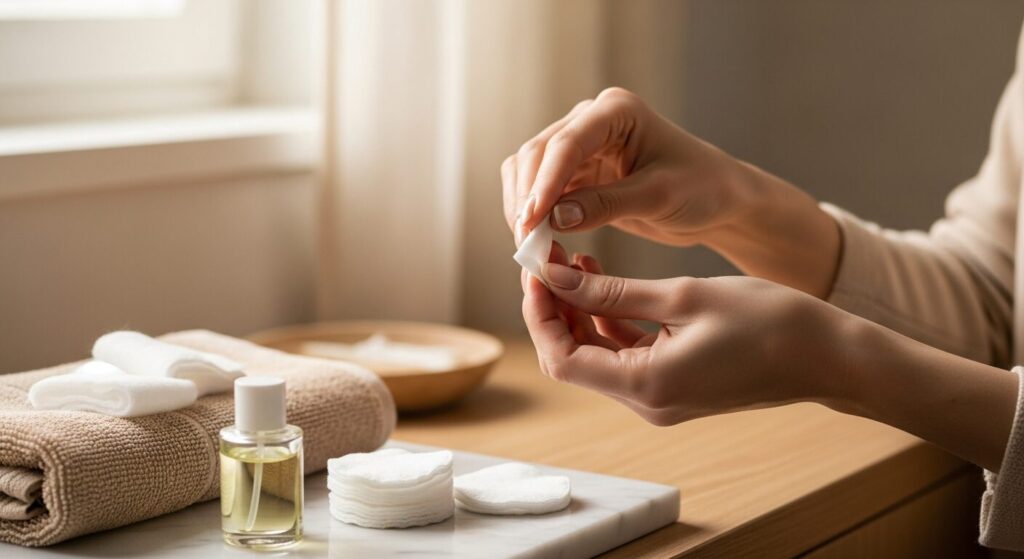
This article is designed to help you remove nail art safely, without thinning your nails, weakening your cuticles, or triggering long-term damage. Whether you’re a beginner, a busy mom, or someone who simply wants healthier nails year-round, this is a practical, expert-backed roadmap you can return to again and again.
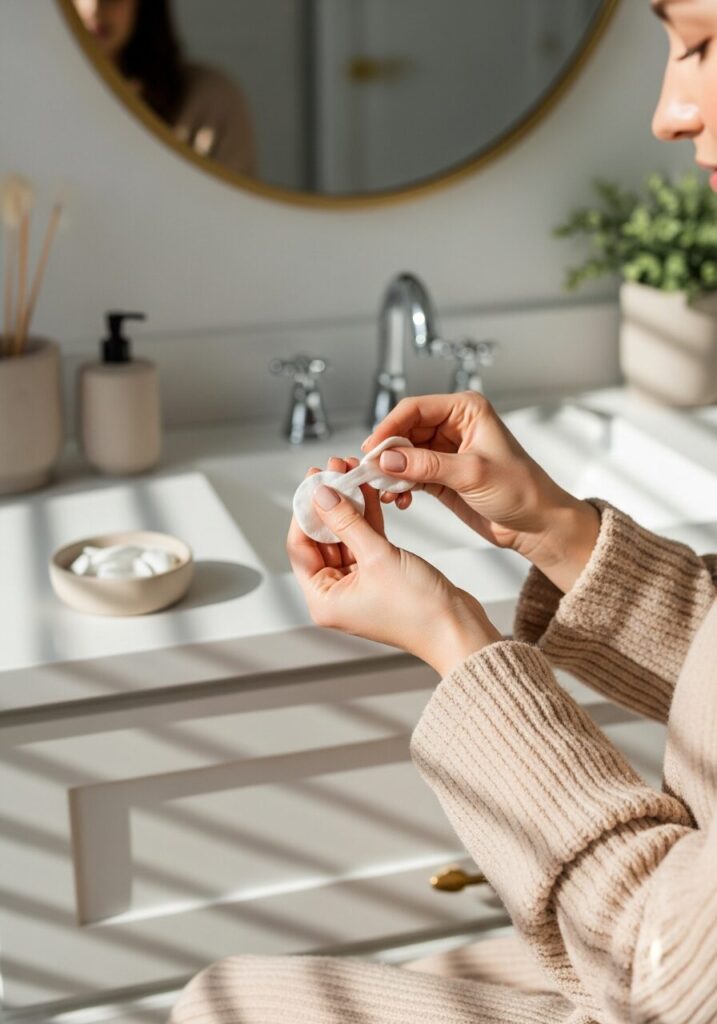
What Actually Damages Nails During Removal
Before we get into techniques, let’s ground ourselves in nail biology—because once you understand why nails get damaged, safe removal becomes intuitive.
The Nail Plate Is Layered, Not Solid
Your nail plate is made of compressed keratin layers. When nail art is peeled or scraped off, those layers lift with it—leading to:
- Peeling edges
- Soft, bendy nails
- White patches (keratin trauma)
Most Damage Happens After the Polish Is Gone
This is the part few people talk about. Damage often comes from:
- Over-soaking in acetone
- Metal tools used incorrectly
- Skipping hydration afterward
A safe nail care routine isn’t just about removal—it’s about recovery.
My Experience: How I Learned to Remove Nail Art Safely
Early in my career, I treated removal as a nuisance—something to get through quickly. I peeled gel polish between appointments, soaked acrylics too long, and ignored cuticle oil entirely.
Within months, my nails told the truth: thin, ridged, and constantly breaking.
It took guidance from professional nail technicians and dermatology-informed care routines to rebuild my nails. Today, my nails are stronger with nail art than they ever were without it—because I finally learned to remove nail art safely.
Identify Your Nail Art Type First
Why This Step Is Non-Negotiable
Different nail products bond differently. Using the wrong removal method causes unnecessary damage.
| Nail Art TypeBond StrengthRemoval Risk | ||
|---|---|---|
| Regular polish | Surface-level | Low |
| Gel polish | UV-cured | Medium |
| Builder gel | Structural | High |
| Acrylic nails | Chemical bond | Very high |
Rule of thumb: The stronger the bond, the gentler and slower the removal must be.
How to Remove Regular Nail Polish Safely
Step-by-Step (Beginner-Safe)
- Use an acetone-free remover for frequent use
- Press soaked cotton pad for 10 seconds
- Wipe downward—never side to side
- Repeat only if needed
Expert Insight
Acetone-free formulas are ideal for weekly wearers and busy moms. They’re slower—but far kinder to nails over time.

How to Remove Gel Nail Art Without Peeling
Why Peeling Gel Is So Damaging
Peeling gel removes keratin layers along with the polish. It’s the fastest way to weaken nails.
Safe Gel Removal Routine
- Lightly buff the top coat only
- Soak cotton with pure acetone
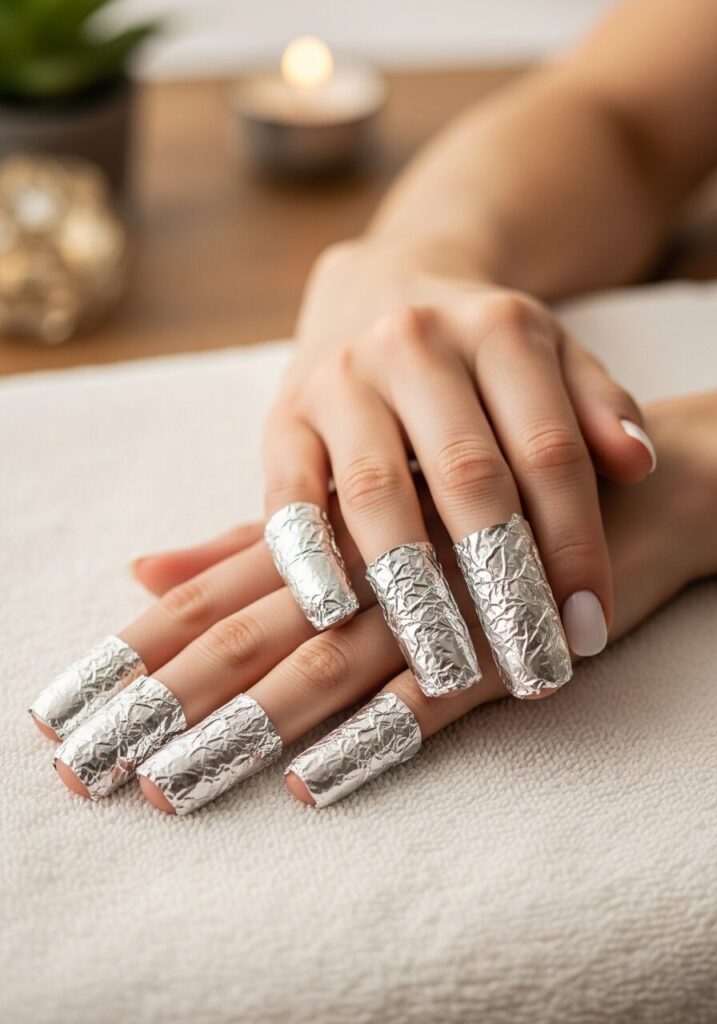
- Wrap nails with foil for 12–15 minutes
- Gently push softened gel with a wooden stick
- Re-wrap stubborn areas—never force
Real-Life Tip
I remove gel at night, not between tasks. Rushing leads to scraping—and damage always follows.

Acrylic & Builder Gel Removal—Proceed with Caution
These systems are structural. Improper removal can cause months of damage.
My Professional Recommendation
If you’re inexperienced, professional removal is safer.
If removing at home:
- Expect longer soak times
- Never pry enhancements off
- Plan a recovery week afterward
Signs to Stop Immediately
- Burning sensation
- Nail plate bending
- Redness around cuticles
The Post-Removal Nail Care Routine
24-Hour Recovery Framework
Immediately after removal:
- Rinse hands (remove acetone residue)
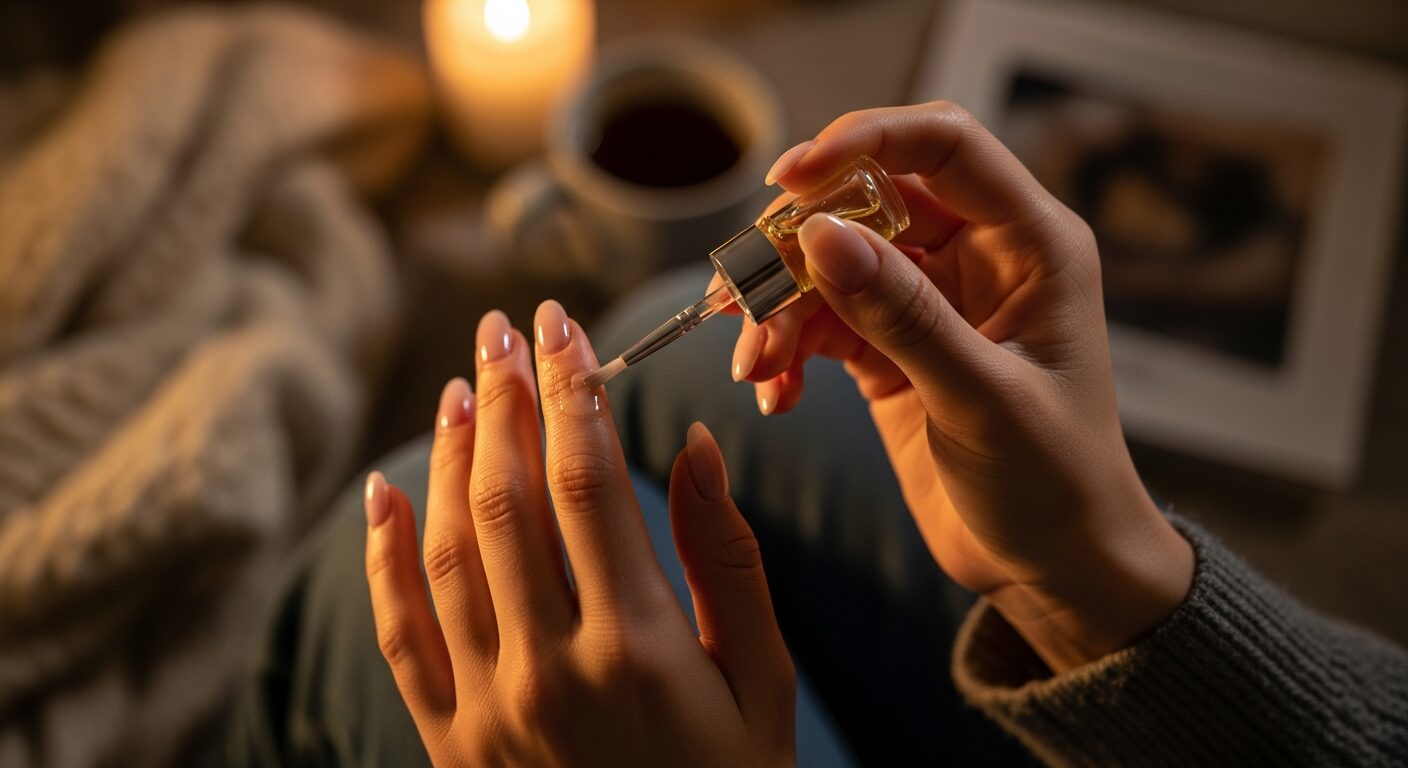
- Apply cuticle oil generously
That evening:
- Thick hand cream
- Light nail massage
Next 7 days:
- Daily oil (morning + night)
- Avoid hardeners for 48 hours
This is where nail health is rebuilt.

Comparison Table — Removal Methods Ranked by Nail Safety
| Method | Nail Safety | Best For |
|---|---|---|
| Acetone soak + foil | High | Gel polish |
| Acetone-free wipe | Very high | Regular polish |
| Electric file (home) | Low | Advanced users only |
| Peeling/scraping | Very low | Never recommended |
Common Nail Removal Mistakes to Avoid
- Peeling gel “just this once”
- Over-buffing the nail plate
- Skipping hydration
- Using metal tools aggressively
- Removing nails when rushed or stressed
If removal feels stressful, stop. Nails sense impatience.
Pro-Level Insights Most Guides Don’t Mention
- Nails absorb acetone—hydration timing matters
- Night-time removal reduces accidental damage
- Warm hands speed up soaking safely
- Thin nails need shorter soak cycles, not longer
These details make the difference between recovery and regret.
Busy Mom-Friendly Nail Removal Routine
I recommend a Sunday Reset Routine:
- Remove nail art after kids sleep
- Oil + gloves overnight
- Bare nails Monday–Wednesday
- Reapply nail art Thursday
This balances beauty and nail health realistically.
When to Let Nails Rest
Signs you need a break:
- Visible peeling
- Pain when pressing nails
- Persistent white spots
Rest is not failure—it’s maintenance.
Conclusion: Healthy Nails Are Built During Removal
Beautiful nails aren’t ruined by polish—they’re ruined by impatience.
When you remove nail art safely, you protect not just today’s manicure, but the future strength of your nails. With the right method, timing, and nail care routine, nail art becomes sustainable—not damaging.
If there’s one takeaway from my years in beauty, it’s this:
Gentle removal is the most underrated nail luxury.
Your nails will thank you for years to come.
Dont forget to follow me on Pinterest