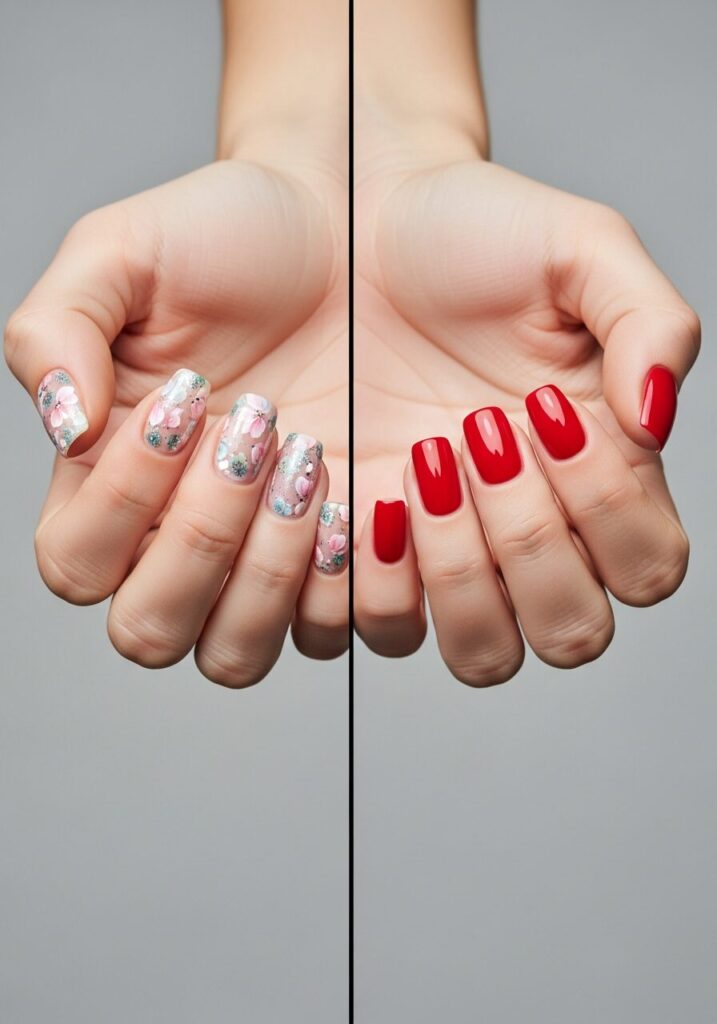
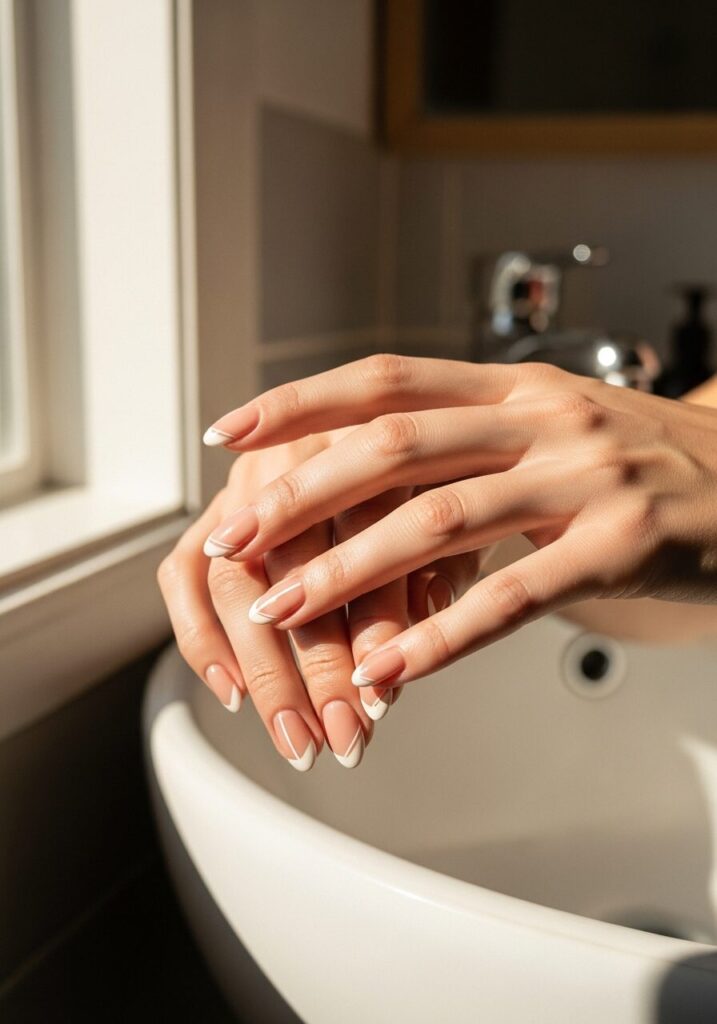
Between parenting, cooking, cleaning, skincare routines, and basic hygiene (especially post-pandemic), hands are exposed to water, soap, friction, and temperature changes more than ever. And yet, many nail art guides still assume you’re living a “hands-off” lifestyle.
From years working with clients—busy moms, healthcare workers, lifestyle creators, and everyday women—I’ve learned this truth:
Long-lasting nail art is not about trends. It’s about structure, chemistry, and daily habits.
This article breaks down exactly how to create nail art that lasts longer, even if you wash your hands 10–30 times a day—without sacrificing beauty or nail health.
Why Hand Washing Destroys Nail Art
Before we talk solutions, we need to understand the problem.
What Actually Happens During Hand Washing
Every time you wash your hands, nails go through:
- Water absorption → nails swell
- Soap exposure → oils stripped from nail plate
- Drying → nails contract and harden
- Friction → tips and edges weaken
This expansion–contraction cycle is what causes:
- Chipping
- Peeling
- Lifting
- Micro-cracks under top coats
If nail art isn’t built to handle this cycle, it will fail—no matter how expensive the polish is.
My Experience: Testing Nail Art in Real Life
I didn’t learn this from theory—I learned it the hard way.
At one point, I washed my hands constantly:
- Skincare testing
- Dishwashing
- Food prep
- Cleaning brushes and tools
Classic glossy nail art? Chipped in 2–3 days.
But after adjusting prep, product layering, and daily habits, I consistently reached:
- 10–14 days with gel-based art
- 7–10 days with strengthened regular polish
The difference wasn’t luck. It was system design.
The Best Nail Art Types for Frequent Hand Washing
Not all nail art survives water exposure equally.
Most Durable Nail Art Styles
- Minimalist designs
- Fewer layers = fewer failure points
- Neutral bases with micro-details
- Short nail lengths
- Gel-sealed accents (even over regular polish)
Nail Art Styles That Fail Fast
- Thick 3D charms (unless professionally sealed)
- Matte finishes without protective overlays
- Very long nails with sharp tips
Durability starts with design choice—not just top coat.
Nail Length Matters More Than You Think
Shorter nails are not boring—they’re strategic.
Why Short Nails Last Longer
- Less leverage during washing
- Reduced water penetration
- Fewer impact points
Best shapes for durability:
- Squoval
- Rounded
- Soft almond (short)
Avoid extreme stilettos if durability is your goal.
Nail Prep — The Invisible Foundation

If prep is wrong, nothing else matters.
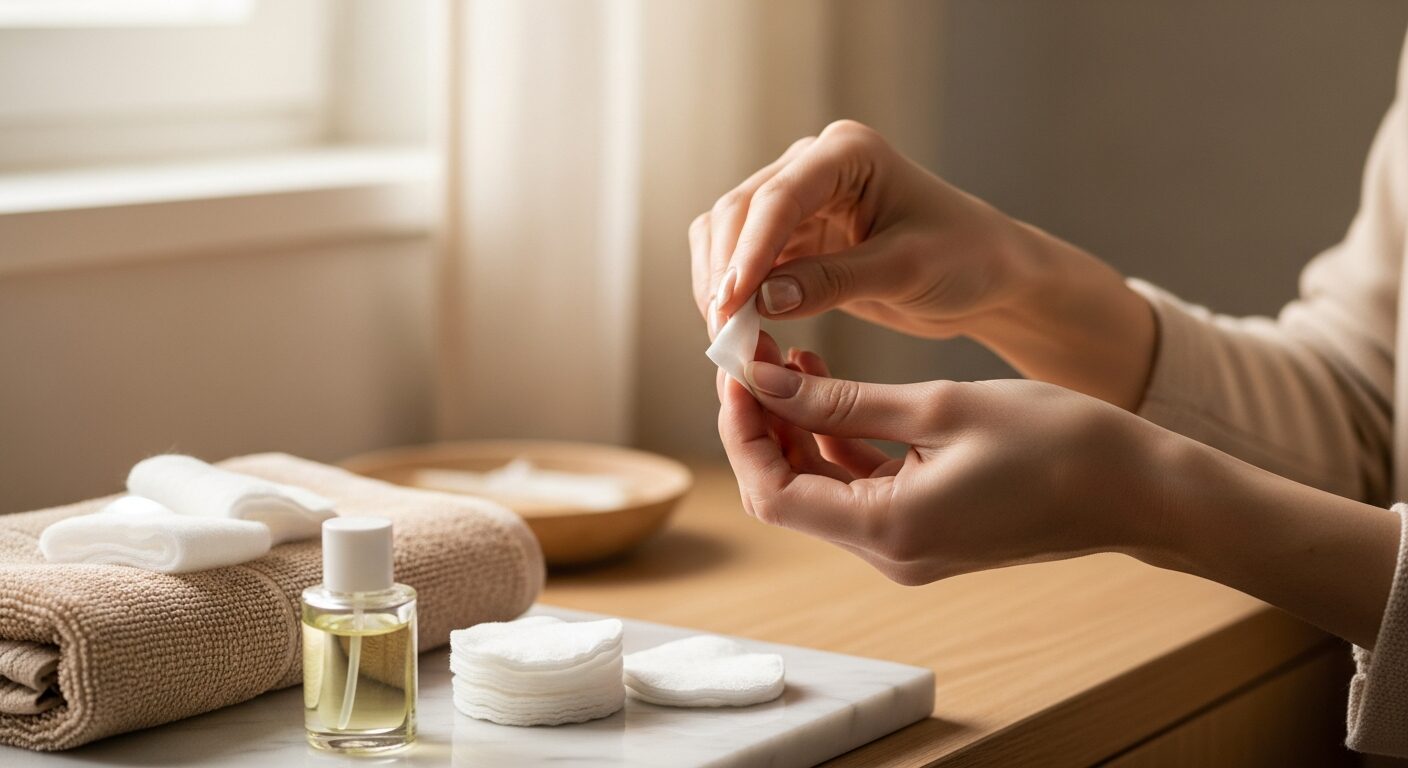
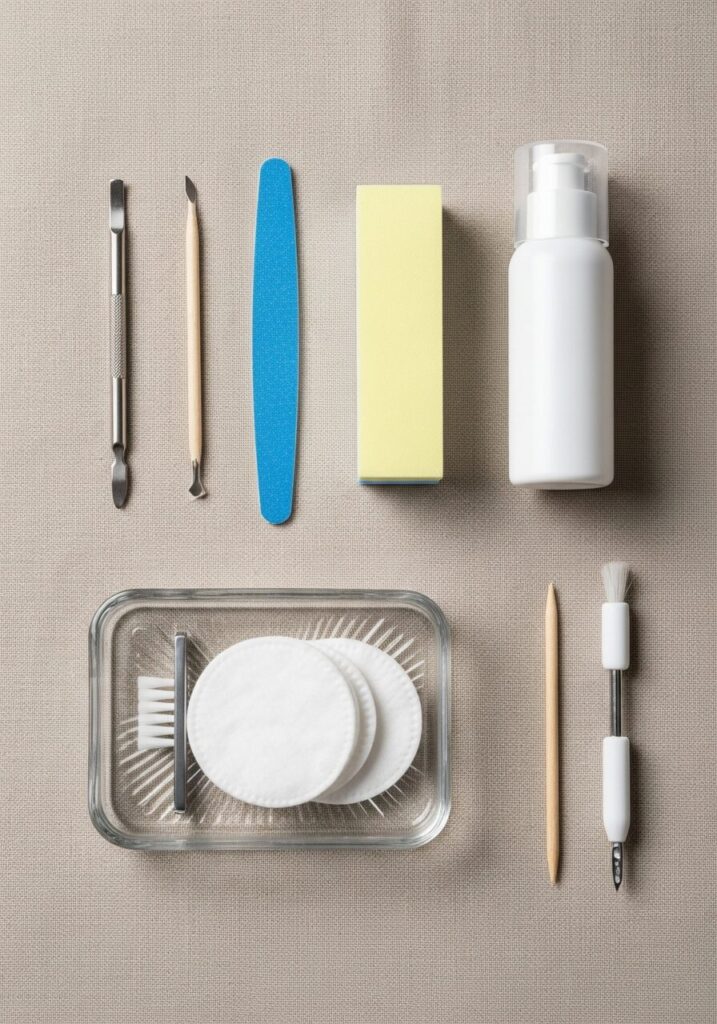
Proper Prep Routine (Beginner-Safe)
- Wash hands before, not after shaping
- Gently push cuticles—never cut aggressively
- Lightly buff shine (180–240 grit)
- Remove dust completely
- Dehydrate nails (alcohol or nail cleanser)
Skipping dehydration is one of the biggest reasons nail art lifts early.
Base Coat Selection for Long-Lasting Nail Art
Your base coat should match your nail condition, not trends.
Best Base Coats for Frequent Washing
- Rubber base (flexible, shock-absorbing)
- Strengthening ridge fillers for thin nails
- Bonding base coats for oily nail beds
Avoid ultra-hard bases if your nails bend easily—they crack faster.
Gel vs Regular Polish — Which Lasts Longer?

| Feature | Gel Nail Art | Regular Polish |
|---|---|---|
| Water resistance | Excellent | Moderate |
| Flexibility | High | Medium |
| Removal impact | Higher | Lower |
| Longevity | 10–14 days | 5–10 days |
Hybrid tip:
Use regular polish + gel top coat for balanced durability and easier removal.
Layering Technique That Prevents Peeling
The Golden Rule: Thin, Flexible Layers
- Thick layers trap moisture
- Thin layers cure evenly
- Flexibility > hardness
Seal the free edge with every layer—base, color, top.
Top Coat Strategy for Maximum Durability
Not all top coats protect equally.
Best Top Coat Features
- High flexibility
- Scratch resistance
- Non-yellowing
- Strong edge sealing
Glossy top coats outperform matte ones in wet environments.
Post-Manicure Cure Time — The Overlooked Step
Even gel needs rest.
Real-Life Rule
- Avoid hot water for 8–12 hours
- No heavy cleaning same day
- Skip cuticle oil for first 2–3 hours (for gel)
Daily Habits That Protect Nail Art

Small habits create big durability differences.
Nail-Saving Habits
- Use knuckles for buttons
- Wear gloves for dishes
- Pat hands dry—don’t rub
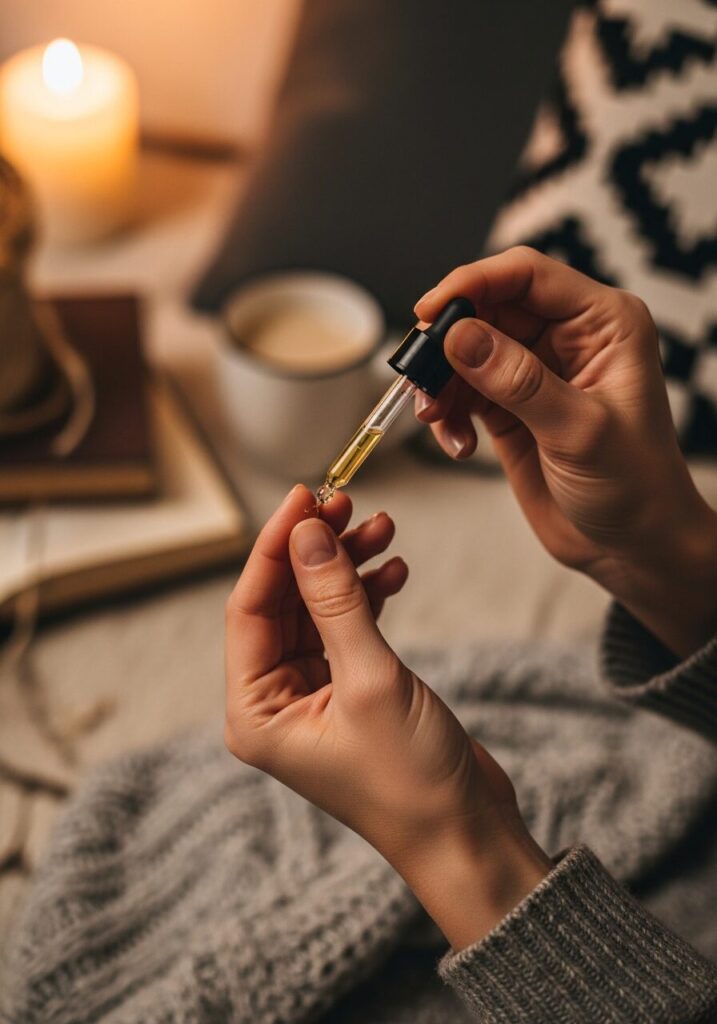
- Apply cuticle oil at night
Hand Soap Choice Actually Matters
Harsh soaps accelerate breakdown.
Better Soap Features
- pH-balanced
- Sulfate-free
- Added glycerin or oils
This protects both skin and nail adhesion.
Weekly Maintenance Routine (5 Minutes)
Quick Durability Reset
- Lightly clean nail surface
- Apply thin refresher top coat
- Oil cuticles generously
This alone can extend wear by 3–5 days.
Common Mistakes That Ruin Nail Art Early
- Skipping base coat
- Over-buffing nail plate
- Thick glitter layers
- Peeling polish off
- Using nails as tools
Pro-Level Nail Art Durability Tips
- Apply color slightly away from cuticle
- Cap tips with extra top coat
- Choose designs that “fade gracefully”
- Avoid constant sanitizer on nail surface
Nail Art Durability Checklist
Before Application
- Clean, dry nails
- Proper base coat
- Short, functional length
After Application
- Cure fully
- Avoid water 8–12h
- Oil nightly
Conclusion: Beautiful Nails That Fit Real Life
Long-lasting nail art isn’t about perfection—it’s about designing beauty that respects reality.
When nail art aligns with:
- Daily habits
- Nail biology
- Water exposure
…it stops being fragile decoration and becomes functional self-expression.
If you want nail art that lasts longer—even with frequent hand washing—build it like a system, not a trend.
Beautiful nails should support your life, not complicate it. 💅✨ Dont forget to Follow me on Pinterest