labubu original vs fake – I’ve been obsessed with Labubu collectibles ever since I saw those quirky, toothy…

labubu original vs fake – I’ve been obsessed with Labubu collectibles ever since I saw those quirky, toothy grins popping up everywhere. As a collector, nothing beats the thrill of adding an authentic Labubu to my shelf, but the rise of fakes has made it tricky. With counterfeits flooding the market, knowing how to tell an original Labubu from a fake is essential to avoid wasting money on a dud. In this guide, I’ll share practical tips to help you spot the real deal, protect your collection, and shop smarter. Let’s dive into the details!
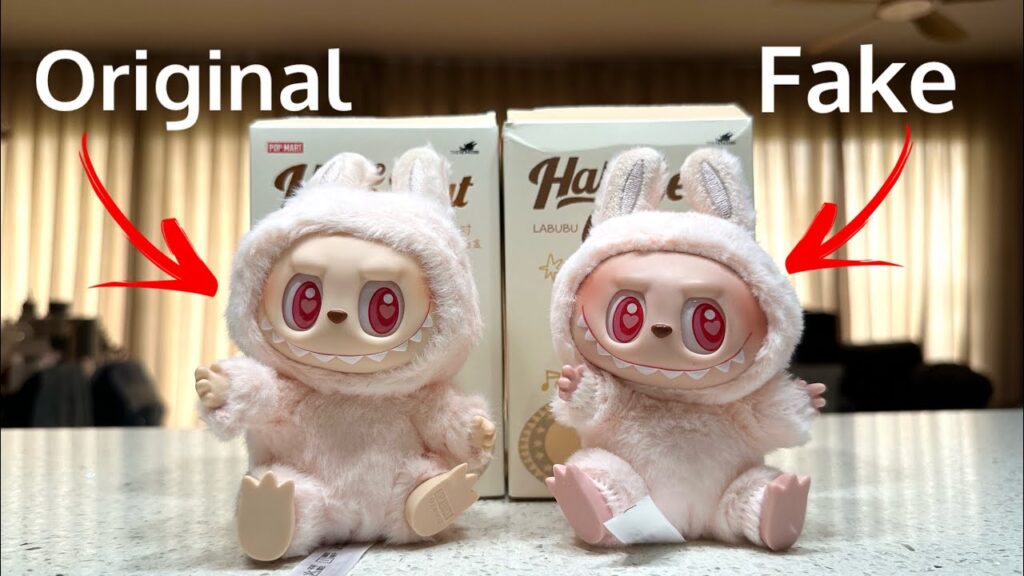
Labubu, created by artist Kasing Lung and produced by Pop Mart, has become a global phenomenon. These adorable vinyl figures and plush keychains are highly sought after, but their popularity has led to a surge in counterfeits. Buying a fake not only means losing money but also missing out on the charm and quality of a genuine Labubu.
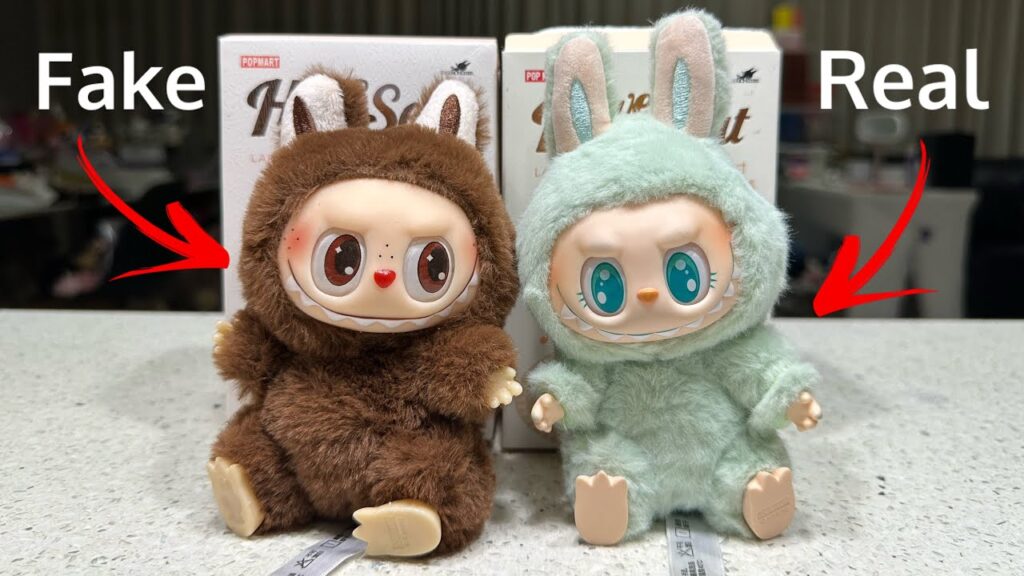
I once almost bought a fake Labubu from a sketchy online seller. The price was too good to be true, and that’s when I knew something was off. Authentic Labubus hold their value and are crafted with care, while fakes often fall apart or lack the magic. Knowing the difference protects your wallet and your collector’s pride.
When you buy an original Labubu, you’re supporting Kasing Lung’s creativity and Pop Mart’s quality craftsmanship. Fakes undermine their work, so let’s keep the love for Labubu legit!
The box is your first line of defense against fakes. Authentic Labubu packaging is meticulously designed, while fakes often cut corners. Here’s what to look for.
Real Labubu boxes have a matte finish with smooth textures and embossed details, especially around the series name. Fake boxes often feel glossy or flimsy, with uneven surfaces. I always run my fingers over the box to check for that premium feel.
Authentic boxes feature a holographic sticker with a clear “Pop Mart” logo on the top right. The logo has a 3D effect, while fakes often have flat, blurry prints. If the sticker looks off, trust your gut—it’s probably a fake.
Here’s a lesser-known tip: check the trash can symbol on the back of the box. On real Labubus, the arrow in the symbol has rounded corners. Fakes often have square corners. It’s a small detail, but it’s saved me from a bad purchase!
Tags and QR codes are like a Labubu’s ID card. Counterfeiters try to mimic them, but they often miss key details.
Authentic Labubus, especially newer ones like the Macaron series, have QR codes on their tags. Older versions might not, so don’t panic if it’s missing, but always verify the URL. I once scanned a fake QR code that led to a shady site—big red flag!
Real Labubus have two fabric tags with clear, thin-font printing. The “MONSTERS” logo should be centered, with “THE MONSTERS” text on the top left of longer tags. Fakes often use plastic tags or bold, sloppy fonts. I always check the tag stitching too—authentic ones are seamless.
Labubu’s toothy grin is iconic, and it’s a dead giveaway for fakes. This is one of my favorite checks because it’s so specific.
An authentic Labubu has exactly nine teeth, each with slight variations in shape and size. Fakes often have fewer teeth or uniform, poorly painted ones. I once spotted a fake with only seven teeth—talk about a dealbreaker!
The teeth should grow directly from the blue gum line with clear gaps between them. In fakes, there’s often a gap between the blue line and the teeth, or they’re painted as a solid block. Grab a magnifying glass if you’re unsure—it’s worth the extra look.
Using a UV light is one of the most reliable ways to spot a fake Labubu. This trick has saved me from countless scams.
On newer Labubus, the right foot has a UV stamp showing Labubu sitting with legs out and arms raised. Shine a UV light (like from an invisible ink pen or nail lamp), and the stamp should glow clearly. Fakes either lack the stamp or show a simplified design. I always carry a small UV Flashlight for quick checks at markets.
The paint on an authentic Labubu’s nose will glow under UV light, while fakes show no reaction. This is a game-changer when buying secondhand. Just be aware that older Labubus might not have the foot stamp, so cross-check other features.
The face of a Labubu tells a story of craftsmanship. Fakes often skimp on the details, making them easy to spot.
A real Labubu has a smooth, matte vinyl finish with glossy, embedded eyes. The blush is softly airbrushed, blending naturally into the face. Fakes tend to have plasticky textures, harsh circular blush, or scratched eyes. I once held a fake that felt like cheap plastic—nothing like the premium vinyl of the real thing.
Authentic Labubus have a pale, peachy skin tone. If the figure is too pink or yellow, it’s likely a fake. Hold it next to a known authentic Labubu for comparison if you can.
For plush Labubu keychains, the stitching and fur are critical indicators of authenticity.
Real Labubu plush dolls have soft, fluffy fur with stitching that blends into the vinyl face. You shouldn’t see visible threads. Fakes often have loose or exposed stitching that feels rough. I always give the fur a gentle tug to check for quality.
Here’s a sneaky tip: check the desiccant packet in the box. Authentic ones have a clear, dark-printed Pop Mart logo. Fakes might have blurry print or no packet at all. I learned this the hard way after buying a fake that came with a generic packet.
Some Labubu series, like the Macaron or Have a Seat, come with an identity card. This is a goldmine for spotting fakes.
Real identity cards have pastel tones (Macaron series) or vibrant hues (Have a Seat) with crisp printing. Fakes often have faded or overly bright colors with blurry text. I always ask for photos of the card when buying secondhand—it’s a quick way to weed out fakes.
The card should match the specific Labubu series and figure. If the card lists a different series or has typos, walk away. I once avoided a scam because the card’s font was all wrong.
Buying secondhand is a great way to score rare Labubus, but it’s also where fakes thrive. Here’s how to stay safe.
If a Labubu is significantly cheaper than market value, be suspicious. Authentic Labubus hold their value, especially rare ones. I’ve seen fakes listed at half the price of originals—don’t fall for it.
Always request receipts or proof of purchase from reputable sellers like Pop Mart or authorized retailers. I once asked a seller for a receipt, and they ghosted me—classic fake alert!
On platforms like eBay or Shopee, read seller reviews carefully. Look for comments about authenticity or shipping issues. I stick to sellers with high ratings and detailed feedback about Labubu sales.
The Labubu community is a treasure trove of knowledge. Fellow collectors often share tips on spotting fakes.
Facebook groups like “Labubu Lovers” or Reddit’s PopMart are great for learning from others. I’ve picked up tricks like the trash can symbol from these communities. Just be cautious of unsolicited sellers in these groups.
Videos on TikTok and YouTube often show side-by-side comparisons of real vs. fake Labubus. Search for creators for visual guides. I’ve bookmarked a few videos for quick reference when shopping.
Even seasoned collectors can slip up. Here are mistakes I’ve made (or narrowly avoided) and how to steer clear.
Don’t skip the little things like the trash can symbol or desiccant packet. They’re easy to overlook but critical for spotting fakes.
Stick to Pop Mart’s official store or authorized retailers like SNKRDUNK. I once bought from a random online shop and ended up with a fake that fell apart in a week.
Always verify multiple features—teeth, tags, UV stamp—before buying. Relying on just one can lead to mistakes.

Here’s a quick reference table to summarize the key differences:
| Feature | Real Labubu | Fake Labubu |
|---|---|---|
| Box Finish | Matte, smooth, embossed details | Glossy, uneven, flimsy |
| Holographic Sticker | Clear “Pop Mart” logo with 3D effect | Blurry, flat, or missing |
| QR Code | Links to popmart.com | Links to shady sites or missing |
| Teeth | Nine, varied shapes, clear gaps | Fewer, uniform, or poorly painted |
| UV Stamp | Glows with Labubu silhouette on foot | No glow or simplified design |
| Face Finish | Matte vinyl, glossy eyes, soft blush | Plasticky, scratched eyes, harsh blush |
| Stitching | Seamless, fluffy fur | Visible threads, rough texture |
| Desiccant Packet | Clear Pop Mart logo | Blurry print or missing |
| Identity Card | Pastel/vibrant, crisp print | Faded, blurry, or mismatched |
Here are answers to common questions collectors ask:
No, only newer series like the Macaron have UV stamps on the foot. Older ones might not, so check other features like teeth and tags.
Yes, but they often link to fake sites or don’t work. Always verify the URL is popmart.com.
Don’t feel bad—some collectors even love their “Lafufu” fakes! If you want a refund, contact the seller or platform with evidence of inauthenticity.
To avoid fakes, shop smart. Here are my go-to places:
The Pop Mart website is the safest bet. They guarantee authenticity and often have exclusive releases.
Stores like SNKRDUNK and Shopee Singapore (with verified sellers) are reliable. Check for authenticity guarantees.
Spotting a real Labubu vs. a fake takes a keen eye, but with these tips, you’re ready to shop smarter. From checking the box’s matte finish to shining a UV light on the foot, every detail counts. I’ve learned to trust my instincts and cross-check features to keep my collection authentic. Whether you’re a newbie or a seasoned collector, these tricks will help you avoid scams and cherish the quirky charm of Labubu. Happy collecting!