Lufu Nola – Hello, travelers! If you’re planning a trip to New Orleans and stumbled across the term Lufu Nola,

Lufu Nola – Hello, travelers! If you’re planning a trip to New Orleans and stumbled across the term Lufu Nola, you’re in for a treat. This phrase, a playful nod to the love (lufu) for New Orleans (Nola), captures the heart of the city’s vibrant culture, food, and music. As someone who’s wandered the streets of NOLA, savoring its gumbo and swaying to jazz, I’m excited to share this ultimate guide. Whether you’re a first-timer or a seasoned visitor, these 10 tips will help you experience the best of Lufu Nola.
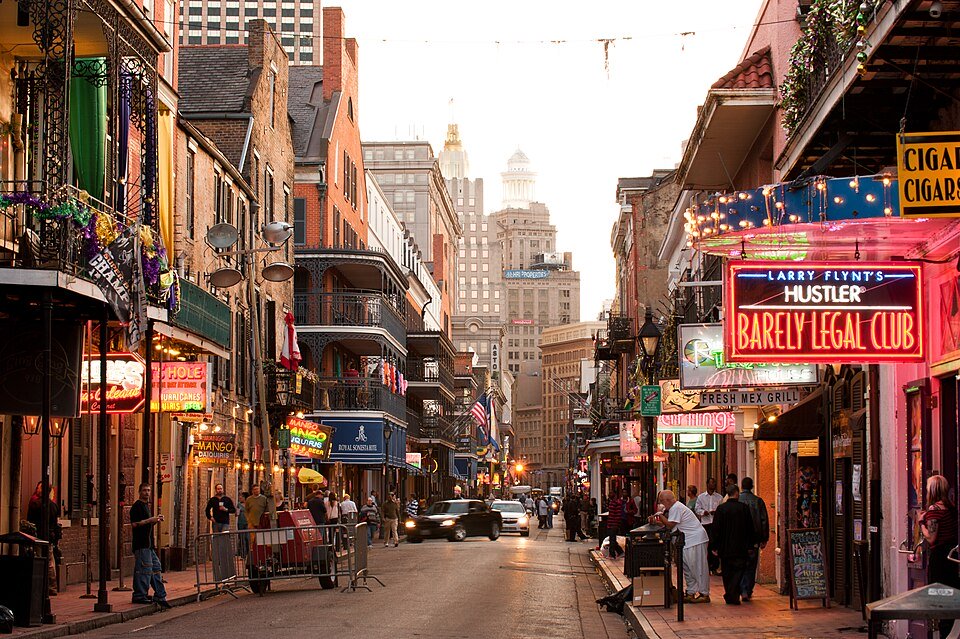
The phrase Lufu Nola isn’t just a catchy hashtag—it’s a love letter to New Orleans’ soul. From the French Quarter’s lively streets to the Garden District’s historic charm, this city pulses with energy. But what makes it special? It’s the blend of cultures—French, Creole, Cajun, and African—that creates a unique vibe you won’t find anywhere else.
Rich History: Founded in 1718, NOLA is a melting pot of traditions.
Music Everywhere: Jazz, blues, and brass bands spill from every corner.
Food Heaven: Think gumbo, jambalaya, and beignets that melt in your mouth.
Pro Tip: To truly feel the lufu, chat with locals. They’ll share stories that bring the city to life.

New Orleans is a foodie’s paradise, and Lufu Nola means indulging in dishes that tell a story. From hole-in-the-wall joints to iconic restaurants, the city’s culinary scene is unmatched.
Gumbo: A hearty stew with seafood, sausage, or chicken.
Po’ Boys: Sandwiches stuffed with fried shrimp or roast beef.
Beignets: Powdered-sugar-dusted pastries best enjoyed at Café du Monde.
I love Dooky Chase’s Restaurant for Creole classics like fried chicken. For something casual, try Café du Monde for beignets and chicory coffee.
Music is the heartbeat of Lufu Nola. From jazz clubs on Frenchmen Street to impromptu second-line parades, you’ll feel the rhythm everywhere.
The Spotted Cat Music Club: A cozy spot for jazz and blues.
Preservation Hall: Historic venue for traditional jazz.
Tipitina’s: Perfect for funk and R&B.
Fun Fact: Frenchmen Street is less touristy than Bourbon but just as lively. To enjoy music comfortably, grab a pair of Bose QuietComfort Earbuds. They’re great for tuning out noise when you need a break.
The French Quarter is NOLA’s crown jewel, buzzing with history and nightlife. But it’s easy to get overwhelmed by the crowds and bars.
Jackson Square: Home to street artists and the iconic St. Louis Cathedral.
Royal Street: Perfect for antique shopping and street performers.
Bourbon Street: Famous for nightlife, but visit during the day for a calmer vibe.
My Advice: Wear comfy shoes for cobblestone streets. I swear by Allbirds Tree Runners. They’re lightweight, breathable, and stylish for long walks.
New Orleans’ history is layered with stories of pirates, voodoo, and resilience. A guided tour helps you uncover the city’s past.
Ghost Tours: Spooky tales of haunted mansions.
Swamp Tours: See alligators and bayous up close.
Cemetery Tours: Explore historic sites like St. Louis Cemetery No. 1.
Lufu Nola shines during festivals. Mardi Gras is the big one, but there’s always something happening.
Mardi Gras: Parades, beads, and costumes galore.
Jazz Fest: Music, food, and crafts in April.
French Quarter Festival: Free music and local vibes.
From quirky boutiques to bustling markets, shopping in NOLA is an adventure. Support local artisans for one-of-a-kind souvenirs.
French Market: Open-air market with crafts and food.
Magazine Street: Trendy boutiques and vintage stores.
Jamie Hayes Gallery: Colorful, local art prints.
New Orleans is generally safe, but like any big city, it pays to be cautious, especially at night.
Stick to Well-Lit Areas: Avoid poorly lit streets after dark.
Travel in Groups: Especially on Bourbon Street at night.
Secure Valuables: Use a money belt or hidden pouch.
Choosing where to stay in NOLA depends on your vibe—do you want historic charm or modern convenience?
French Quarter: Central but noisy.
Garden District: Quiet, with stunning mansions.
Marigny: Artsy and close to Frenchmen Street.
Neighborhood | Pros | Cons | Price Range |
|---|---|---|---|
French Quarter | Central, vibrant, walkable | Noisy, crowded | $150–$400/night |
Garden District | Quiet, historic, scenic | Farther from nightlife | $100–$300/night |
Marigny | Artsy, great music scene | Limited dining options | $80–$250/night |
For a comfy stay, I love Booking.com for deals. Their app makes finding hotels a breeze.
The Lufu Nola spirit is about connection. Locals are proud of their city and love sharing it with visitors.
Join a Second-Line: Dance in a community parade.
Volunteer: Check local organizations for opportunities.
Attend a Cooking Class: Learn to make gumbo with locals.
Here are answers to common questions about visiting New Orleans, based on what travelers often ask:
Spring (March–May) and fall (September–November) offer mild weather and festivals like Jazz Fest. Avoid summer for less heat and humidity.
Yes, but stick to well-lit, busy areas, especially at night. Use a Travelon Anti-Theft Bag for peace of mind.
Enjoy free festivals, street performances, and affordable eats at places like the French Market. Use Groupon for tour discounts.
Lufu Nola is more than a phrase—it’s a feeling you’ll carry long after you leave New Orleans. From savoring gumbo to dancing in a second-line, these 10 tips will help you embrace the city’s magic. Equip yourself with tools like the Canon PowerShot or Yeti Rambler to make your trip seamless. Ready to fall in love with NOLA? Start planning, and let me know your favorite NOLA experience in the comments! For more travel tips, check out our travel blog.