TikTok made Jellycats famous, but do they deserve your wallet? This honest collector review reveals if these soft plushies are worth the hype and price.
If you’ve scrolled through TikTok lately, you’ve probably seen them: impossibly soft plush bunnies with droopy ears, smiley avocados with rosy cheeks, and bashful pandas that look like they just told a cute secret. Jellycat plushies have taken over the internet, and they’ve also taken over our hearts—and our wallets. But with price tags that often rival a nice dinner out, you have to wonder: are Jellycats worth it?
I’ve been collecting Jellycats for years. I’ve bought them for myself, for friends, for baby showers, and yes, even for my own emotional support. I’ve felt the joy of unboxing a new friend and the sting of paying $45 for a stuffed animal that looks suspiciously like a bean. So let’s get real: is the hype justified, or is it all just clever marketing? This honest collector review will help you decide if Jellycats deserve a spot in your home—or if your wallet deserves a break.
Yes, for most people. Jellycats are worth the investment if you value exceptional softness, unique designs, high-quality materials, and emotional comfort. They’re not just toys; they’re collectibles, decor pieces, and comfort objects. However, if you’re looking for a budget-friendly plush or something purely functional, you might be better off with a cheaper alternative. The value lies in the experience, the craftsmanship, and the joy they bring.
Jellycat isn’t new—it was founded in London in 1999. But in the last few years, the brand has exploded into a cultural phenomenon. You’ll spot them in college dorm rooms, on influencer nightstands, and even in high-end baby registries. The brand’s secret? A perfect storm of cuteness, nostalgia, and the current “cozy aesthetic” trend.
TikTok has been a massive driver. Videos of people unboxing Jellycats, styling them in miniature outfits, or simply holding them for emotional support get millions of views. The hashtag #Jellycat has billions of views. Pinterest boards are filled with “Jellycat collections” and “cozy plush room inspo.” The brand has become synonymous with a certain kind of comfort-driven, soft-girl lifestyle.
But it’s not just about looking cute. There’s a genuine emotional connection people feel. In a fast-paced, often stressful world, holding a Jellycat can feel like a tiny act of self-care. That’s powerful—and worth examining.
When you first hold a Jellycat, you’ll notice something immediately: the texture. It’s not like your average stuffed animal. The fur is incredibly soft—almost like a cloud made of silk. But that’s just the surface. Let’s break down the key factors that justify (or don’t) the price.
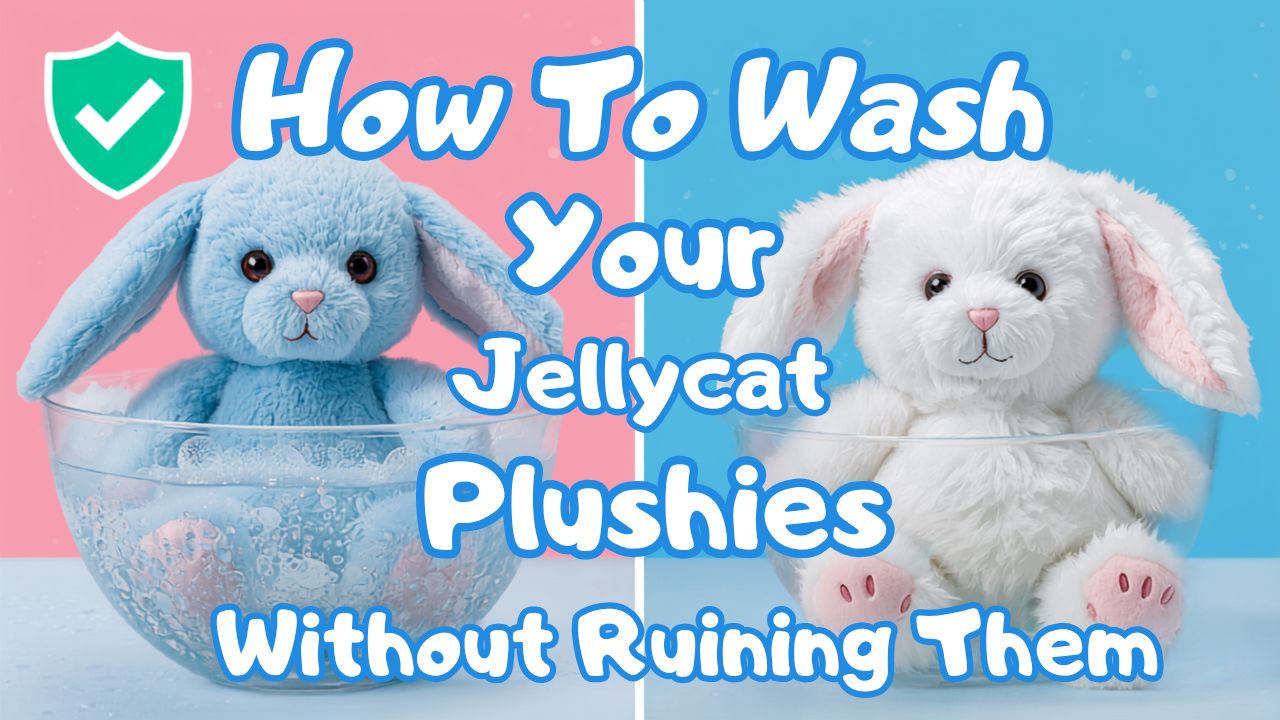
Jellycat uses high-quality materials that are rigorously tested for safety. Every plush meets both U.S. and European safety standards. They’re designed to withstand years of cuddling, washing (yes, most are machine washable on a gentle cycle), and even chewing (for babies). The seams are reinforced, the stitching is precise, and the stuffing is evenly distributed without lumps.
As this detailed review on Instrumental FX explains, the cost is directly tied to the premium materials and ethical manufacturing processes. You’re paying for peace of mind, especially if the toy ends up in a child’s mouth.
Jellycat doesn’t just make teddy bears. They make bashful bunnies with oversized ears, smudge elephants with tiny trunks, and even food items like the viral “Amuseable Toast” with a smile. Each design has a personality—a little wink, a soft blush, or a floppy limb that makes them feel alive. They’re not mass-produced in the same way as generic plush. Many designs are limited edition, which fuels collector demand.
Speaking of limited editions: Jellycat releases seasonal collections (think Christmas, Easter, Halloween) that often sell out quickly. Once a design is gone, it’s gone—unless you find it on the resale market for double the price. This scarcity makes owning a Jellycat feel like being part of a club. It’s not just a toy; it’s a treasure hunt.
Let’s be fair. Jellycats have a lot of fans, but they’re not perfect for everyone. Here’s an honest look at the pros and cons.
This is the question that comes up in every online forum, from Reddit to college newspapers. In fact, a student opinion piece in The Cougar Star debates exactly this: are Jellycats worth the hype, or are they overrated?
My take? They’re worth the hype for the right person. If you value aesthetics, emotional comfort, and a bit of whimsy, Jellycats deliver in spades. They’re not just toys—they’re tiny works of art that bring joy. If you’re looking for a cheap, functional stuffed animal for a child who will drag it through mud, maybe skip the Jellycat and buy something sturdier.
That said, I don’t think they’re overrated. The quality and design are genuinely superior. But the hype can create a sense of FOMO, and that’s where it gets tricky. Don’t buy a Jellycat just because everyone on TikTok has one. Buy one because you genuinely love it.
Yes, absolutely. In fact, a large chunk of Jellycat’s customer base is adults—especially young adults and college students. Why? Because plushies aren’t just for kids anymore. They’ve become symbols of comfort, mental health awareness, and self-expression.
There’s something deeply comforting about holding a soft, cute object. Studies have shown that tactile comfort can reduce stress and anxiety. Many adults keep a Jellycat on their bed, desk, or couch for those moments when they need a little squeeze. It’s not childish—it’s human.
Jellycats also look great in photos. Their neutral colors, whimsical shapes, and photogenic faces make them perfect for social media. They fit into the “cozy bedroom” aesthetic that’s huge on Pinterest and TikTok. A bashful bunny perched on a bookshelf, or a smudge bear tucked under a throw blanket, adds a soft, welcoming vibe to any space.
One collector shared her honest take on Lemon8, explaining that while the price tag stung at first, the emotional payoff of having a Jellycat on her nightstand was worth every penny. She’s not alone.
If you’re ready to dive in, you don’t have to buy everything at once. Here are some tips from a seasoned collector.
Pick one design that really speaks to you. Maybe it’s the bashful bunny (a classic), the smudge elephant (super soft), or the amuseable avocado (funny and cute). Don’t impulse-buy a bunch at once. See how you feel after carrying your Jellycat around for a week.
Jellycat’s official website is great, but stock sells out fast. Authorized retailers like Nordstrom, Selfridges, and local toy shops also carry them. Avoid buying from unknown third-party sellers on Amazon—counterfeit Jellycats exist, and they’re often lower quality.
Jellycat rarely has sales, but you can find gently used Jellycats on platforms like Depop, Poshmark, or Facebook Marketplace. Some are brand new with tags. This is a great way to get rare designs without paying retail. However, always check for authenticity.
It’s easy to get caught up in viral designs. But the best collection is one that reflects your taste. Don’t buy a Jellycat just because it’s “rare” if you don’t actually like it. The joy comes from the connection, not the hype.
Jellycats are durable, but they need gentle care. Here’s how to keep them looking and feeling great.
Overall, Jellycat has strong customer satisfaction. On Trustpilot, reviews are generally positive, with many praising the quality and customer service. But there are complaints about pricing and occasional shipping issues. Most buyers agree: the product itself is excellent.
One reviewer wrote, “I bought my first Jellycat for my niece, and now I have five of my own. They’re just so soft and cute. Yes, they cost more than a typical stuffed animal, but they feel special.”
Another said, “I wanted to love them, but I couldn’t justify the price for a toy my toddler will destroy. Sticking with cheaper options for now.”
Reviews like this remind us that value is subjective. For some, a Jellycat is a worthwhile splurge. For others, it’s not.
Jellycats are expensive because of their premium materials, rigorous safety testing, unique designs, and brand reputation. Unlike mass-produced plush toys, Jellycat focuses on craftsmanship and limited editions, which drives up the cost. You’re paying for quality and exclusivity.
For many, Jellycat is worth the money because the plushies bring genuine joy and comfort. They last for years, they’re safe for all ages, and they hold sentimental and sometimes monetary value. If you view them as an investment in happiness, the price feels justified.
It depends on your priorities. If you value extreme softness, adorable design, and emotional comfort, then yes, buying a Jellycat plushie is absolutely worth it. If you’re purely looking for the cheapest stuffed animal, you can find alternatives for a fraction of the price.
Some Jellycats—especially retired or limited-edition designs—can be worth significantly more than retail on the secondary market. For example, rare bashful bunnies from past collections have sold for hundreds of dollars. But most standard Jellycats don’t appreciate in value significantly. They’re worth what someone is willing to pay.
Yes, Jellycat is worth it for those who appreciate the artistry, quality, and emotional connection. The brand has earned its reputation. But it’s a luxury item in the plush world—treat it as a special purchase, not a necessity. If you buy one with intention and love, it will bring you years of comfort and cuteness.
At the end of the day, the question “Are Jellycats worth it?” doesn’t have a one-size-fits-all answer. For me, a collector and self-proclaimed plush enthusiast, the answer is a resounding yes. Every time I hold my smudge rabbit or tuck my bashful octopus into my bag for a trip, I feel a little spark of happiness. That’s worth more than the price tag.
But I also understand the skepticism. $40 is a lot for a stuffed animal. The hype can feel overwhelming. If you’re on the fence, I’d recommend starting small—pick one design that makes you smile, and see how it feels. You might just fall in love.
The Jellycat obsession isn’t just a trend. It’s a reflection of our desire for comfort, beauty, and a little bit of magic in our everyday lives. Whether you’re buying one for a child, a friend, or yourself, remember: the best purchases are the ones that make your heart feel full.
So, are Jellycats worth it?
If they bring you joy, yes. And they probably will.
Tags: jellycats, worth, it, honest, collector, jellycat