Serbakece
  • Home
  • Blogs
Sign In
Serbakece

Serbakece.com shares the latest in beauty and cute lifestyle trends, including eyelash extensions, nail art designs, and collectible toys like Labubu and Jellycat. Find tips, reviews, and inspiration for a stylish and aesthetic life.

Page

  • About
  • Privacy Policy
  • Terms and Conditions
  • Disclaimer
  • Contact Us

© 2026 — SerbaKece.com. All Rights Reserved. • Sitemap

Made with ❤️

How to Wash Jellycat Plushies Without Ruining Them

Love your Jellycat but afraid to wash it? Discover the gentle method to clean without ruining fur or shape. Keep it huggable forever. How to Wash Jellycat Plush

A
Alicia
May 16, 2026•12 min read
Share this:

Love your Jellycat but afraid to wash it? Discover the gentle method to clean without ruining fur or shape. Keep it huggable forever.

How to Wash Jellycat Plushies Without Ruining Them

Let’s be honest for a second. If you’re reading this, there’s a very good chance you have a Jellycat plushie that means more to you than most people would understand. Maybe it’s a Bashful Bunny that has traveled with you through three moves, two breakups, and one very long-haul flight. Perhaps it’s a rare retired dragon that you scored after weeks of hunting online. Or maybe it’s the one you bought for your child—the one they refuse to sleep without, dragging it through mud, spaghetti, and the occasional existential crisis over losing a favorite toy.

And now that plushie is looking a little… sad. A little gray. A little crusty in places you don’t want to think about.

You know it needs a wash. But you’ve also heard the horror stories. The matted fur. The lumpy stuffing. The sad, deflated creature that emerges from the washing machine, unrecognizable as the cozy friend you once knew.
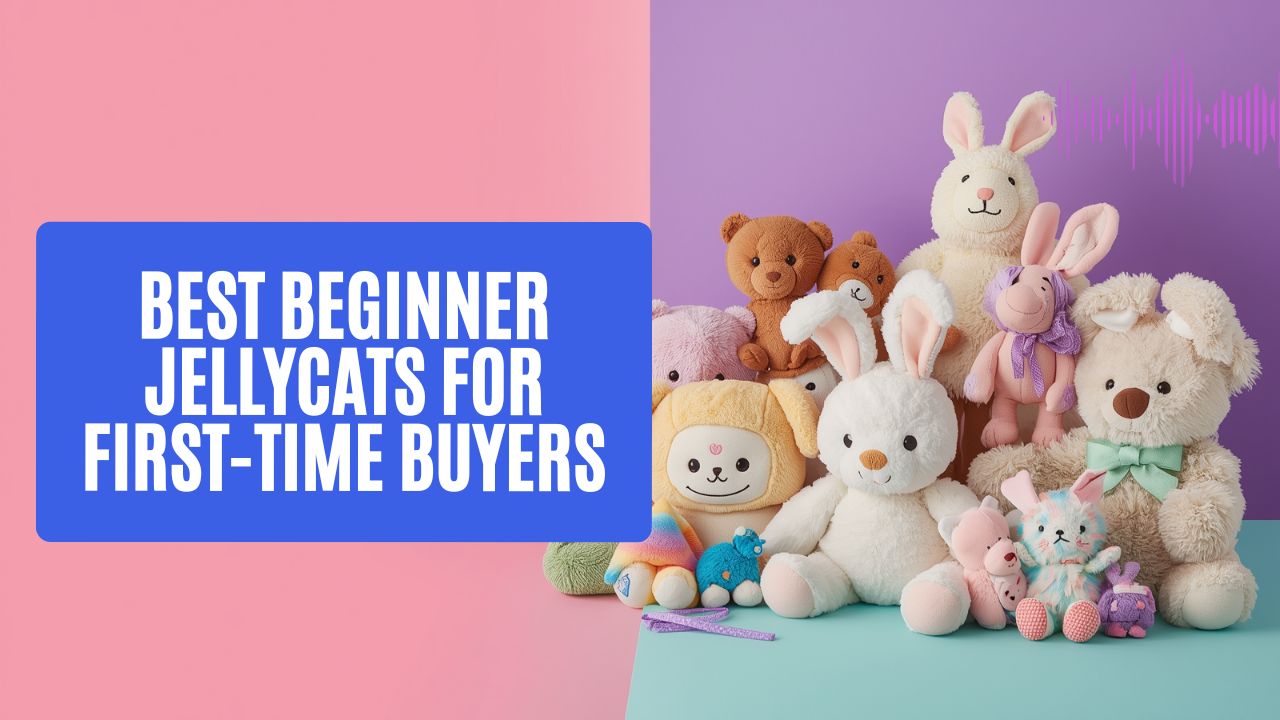
Take a deep breath. I’ve been there too. And after obsessively researching, testing, and consulting multiple plush care experts, I’m here to tell you: you can wash your Jellycat without turning it into a tragedy. You just need to know the right way.

Here’s everything you need to know about how to wash Jellycat plushies without ruining them—and how to keep that impossibly soft fluffiness alive for years to come.


Quick Answer: How to Wash Jellycat Without Ruining Them

Spot clean whenever possible. If a full wash is needed, hand wash with cold water and a tiny amount of mild detergent. Gently squeeze—never wring. Air dry flat, reshaping as it dries, fluffing periodically. Do not machine wash unless the tag explicitly says it’s safe, and even then, use a delicate bag and cold cycle. Avoid bleach, fabric softener, and high heat at all costs.

Stick to this rule and your plushie will survive.


When Should You Wash Your Jellycat?

Here’s the thing: Jellycats are not designed to be washed every week. They are collectible, heirloom-quality plush toys with delicate fur, careful stitching, and sometimes weighted beads or inner squeakers. Overwashing can cause more damage than leaving them slightly dusty.

But obviously, life happens.

Signs It’s Time for a Wash

  • Visible dirt, stains, or grime
  • A musty or unpleasant smell
  • Your child (or honestly, you) has been sick and the plushie was in close contact
  • The fur feels sticky or greasy from frequent cuddling or spilled snacks
  • You bought it secondhand and want a fresh start

If none of these apply, consider just giving it a gentle surface clean with a damp microfiber cloth instead.


The Golden Rule of Jellycat Washing: Read the Tag First

I know, I know—removing the tag feels like a crime. But every authentic Jellycat plushie comes with a fabric care label tucked somewhere discreet (usually along the seam). This tag tells you exactly what the manufacturer recommends.

Common care symbols you might see:

Symbol Meaning
Hand wash only Do not machine wash
30°C / cold water Never use hot water
Do not bleach Stick to mild soap
Do not tumble dry Air drying is essential
Do not dry clean Chemicals can damage fur

If you’ve already removed the tag (no judgment—we’ve all done it), assume the most delicate care method. When in doubt, hand wash.


The Step-by-Step Guide to Hand Washing Your Jellycat

Hand washing is the safest, most reliable method. Yes, it takes a little more time and patience. But if you want your Jellycat to maintain that legendary softness and structural integrity, this is the path.

What You’ll Need

  • A clean sink or basin
  • Cold or lukewarm water (never hot)
  • A tiny amount of mild detergent (unscented baby shampoo, wool wash, or a gentle laundry soap like Soak or Eucalan)
  • A soft, clean towel
  • Patience (seriously)

Step 1: Spot Treat First

Before submerging your plushie completely, check for any stubborn stains. Mix a drop of detergent with water, dip a clean cloth, and gently blot the stained area. Do not scrub vigorously—that’s how fur gets matted.

Step 2: Fill the Basin with Cold Water

Add just a pea-sized amount of detergent. Swish it around to create a light sudsy mixture. You don’t need a lot; too much soap leaves residue that attracts dirt later.

Step 3: Submerge and Gently Squeeze

Place your Jellycat into the water and press down gently to let the water soak through the fur. Use your hands to lightly agitate the fabric. Focus on any particularly grimy areas.

Important: Do not twist, wring, or scrub aggressively. This is a plushie, not a dish sponge. Treat it like a cashmere sweater.

Step 4: Rinse Thoroughly

Drain the soapy water and refill the basin with fresh cold water. Submerge the plushie again, gently pressing to remove soap. Repeat until the water runs clear. Residual detergent is one of the biggest reasons plushies feel stiff or sticky after washing.

Step 5: Remove Excess Water

Lift the Jellycat out and gently press it between your palms to release water. Then, lay it flat on a clean, dry towel. Roll the towel up like a jelly roll (pun intended) and press lightly to absorb moisture.

Again—no wringing. No twisting.

Step 6: Air Dry Flat

Place the damp plushie on a fresh dry towel in a well-ventilated area, away from direct sunlight and heat sources. Fluff the fur periodically with your fingers or a soft brush as it dries. This is the secret step most people skip—and it’s the difference between a matted mess and a cloud-soft friend.

Reshape the limbs and body while still damp. For floppy-eared bunnies or long-tailed dragons, pay extra attention to making sure they don’t dry in weird, bent positions.


Can You Machine Wash a Jellycat?

Sometimes. But proceed with caution.

Some larger Jellycats (especially the non-furry fabric ones) are labeled machine washable. But even then, the machine is risky. Agitation can cause fiber felting, stuffing clumping, and seam stress.

If you absolutely must machine wash:

  1. Place the plushie inside a delicates laundry bag or even a pillowcase tied shut
  2. Use cold water on the gentlest cycle (delicate or hand wash setting)
  3. Use minimal detergent
  4. Never use fabric softener (it coats the fibers and ruins the softness)
  5. Do not spin dry—remove the plushie before the spin cycle

But honestly? Hand washing is always safer. As one plush care guide I read put it: “The machine is where Jellycats go to lose their soul.”


Drying: The Most Critical Step

If there’s one part of the process where people accidentally ruin their plushies, it’s drying.

Do not put your Jellycat in the dryer. High heat can melt synthetic fibers, cause shrinkage, and turn that beautiful fur into a crunchy nightmare.

Do not use a hair dryer on high heat. The direct heat is too intense and can singe the fur.

Instead:

  • Air dry naturally in a cool, shaded area
  • Fluff the fur every couple of hours
  • Use a wide-tooth comb or a slicker brush designed for pet grooming to gently brush the fur in the direction it naturally lays
  • If you need to speed things up, use a fan on low speed pointed toward the plushie

For particularly thick or large Jellycats, drying can take 24–48 hours. Be patient. A damp interior can lead to mildew or a musty smell that’s nearly impossible to remove.


Pros and Cons of Washing Jellycat Plushies

Pros

  • Restores softness and cleanliness
  • Removes allergens, dust, and bacteria
  • Extends the life of the plushie
  • Keeps your space feeling cozy and hygienic
  • Can increase resale value if you ever sell or trade

Cons

  • Incorrect washing can permanently damage fur, shape, or stuffing
  • Some Jellycats contain weighted beads that can leak or clump if wet
  • Hand washing is time-consuming
  • Drying takes a long time, especially for larger plushies
  • Overwashing accelerates wear and fading

The takeaway? Wash only when necessary, and always with care.


Why Are Jellycats So Expensive?

If you’ve ever looked at the price tag on a Jellycat and wondered why a single plushie costs more than a nice dinner, you’re not alone. But there’s a reason collectors happily pay premium prices.

Jellycat uses high-quality synthetic materials that are tested for safety and durability. Their fur is engineered to be unusually soft—often described as “bunny soft” or “cloud-like.” The brand also places heavy emphasis on design: each plushie has a distinct personality, from the bashful downward gaze of their bunnies to the whimsical expressions of their fruits and vegetables.

Plus, Jellycat frequently retires designs, creating scarcity in the secondary market. A rare retired piece—like a particular Fuddlewuddle dragon or a seasonal release—can sell for two or three times its original price.

That price tag reflects not just the cost of materials, but the cultural and emotional value these plushies carry. And that’s exactly why learning to care for them properly matters.


Why Jellycat Care Is Trending Right Now

If you’ve been on TikTok or Pinterest lately, you’ve seen the Jellycat phenomenon. People aren’t just collecting plushies—they’re styling them, dressing them, taking them on picnics, and treating them like tiny, fuzzy family members.

The #Jellycat hashtag has billions of views on TikTok. Videos showing plushie “restorations,” careful washing routines, and emotional unboxings regularly go viral. On Pinterest, Jellycat boards are filled with cozy aesthetic photos, care tip infographics, and adorable plushie setups.

This trend is part of a larger cultural shift toward comfort, nostalgia, and slow living. In an age of digital overwhelm, people are seeking tangible, soft, emotionally resonant objects. Jellycats fill that role perfectly.

And that means people are washing their plushies—sometimes incorrectly—because they want them to stay clean for the camera or for their own comfort. This is why reliable care guides like this one are being shared widely across social media. People genuinely want to preserve these precious objects.


What If Your Jellycat Is Irreversibly Dirty or Damaged?

Sometimes a plushie is too far gone for a simple hand wash. Maybe it’s been through a flood, a major spill, or years of neglect.

In those cases, consider:

  • Professional plush cleaning services (available online; you ship your plushie in and they deep clean it)
  • Re-stuffing by a local tailor or specialty toy hospital
  • Spot cleaning only if the damage is localized

And if all else fails, remember: a slightly imperfect Jellycat still has plenty of love to give. Some of the most beloved plushies are the ones that look a little worn. They’ve earned their softness.


FAQ: Everything Else You Need to Know

How do you wash a Jellycat without ruining it?

The safest method is hand washing with cold water and a tiny amount of mild detergent. Avoid wringing, twisting, and high heat. Fluff the fur periodically while air drying flat.

So, how do you wash Jellycats to get them clean while still maintaining their coveted fluffiness?

The secret is in the drying process. Fluffing the fur with your fingers or a soft brush every few hours while the plushie dries prevents matting. Also, never use fabric softener—it coats the fibers and reduces softness over time.

How to wash and care for your Jellycat?

Always read the care tag first. Spot clean when possible. Hand wash in cold water with gentle soap. Air dry flat away from heat. Brush fur gently while drying. Store in a clean, dry place away from direct sunlight.

How often should I wash my Jellycat?

Only when visibly dirty, smelly, or after illness. Overwashing causes wear. Most Jellycats only need a wash once or twice a year, if that.

Can I use baby wipes to clean a Jellycat?

Yes, for quick surface cleaning. Use unscented, alcohol-free wipes. But don’t rely on them for deep cleaning—they won’t remove embedded dirt.

Is it safe to wash a Jellycat with beads inside?

It depends. Some weighted Jellycats have inner bead pouches that can leak or clump when wet. Hand washing is safer than machine washing, but check the tag or consult the brand’s website for specific guidance.

What detergent is safe for Jellycats?

Look for mild, unscented options. Wool wash like Eucalan, baby shampoo, or delicate fabric wash like Soak work well. Avoid anything with bleach, enzymes, or fabric softener.


Final Thoughts: Treat Your Jellycat Like the Treasure It Is

Your Jellycat is more than just a stuffed animal. It’s a companion, a piece of art, a collector’s item, and a source of comfort. Whether it sits proudly on your shelf, travels in your bag, or gets squeezed nightly by your child, it deserves to be treated with care.

Washing doesn’t have to be scary. You just need to slow down, be gentle, and resist the urge to take shortcuts. Hand washing takes twenty minutes of active work and a day or two of drying—but the result is a plushie that looks and feels almost new again.

And if you ever feel unsure, remember this golden rule: cold water, gentle hands, no heat, and lots of patience.

Your Jellycat has been with you through the good, the bad, and the messy. It’s earned a spa day.

Just make sure it’s a safe one.


For more plush care tips and authentic Jellycat hunting guides, check out our guides on how to spot a fake Jellycat and where to find Jellycat in London. For deeper cleaning techniques, experts at Plush Care Guide and Plush Happiness Tips offer even more detailed breakdowns.

Also, if you’re into simple self-care routines, you might enjoy our guides on everyday nail art ideas and how to remove nail art safely—because you deserve to feel put-together too.


Tags: wash, jellycat, plushies, without, ruining

Comments (0)

Leave a Comment

Loading comments...

← Back to Journal

Search

Tags

Advertisement

Recent Posts

Latest articles and insights

Are Jellycats Worth It? Honest Collector Review

May 16, 2026

Best Beginner Jellycats for First-Time Buyers

May 16, 2026

How to Spot a Fake Jellycat (2026 Guide)

May 16, 2026

Jellycat Size Guide: Tiny vs Medium vs Huge

May 16, 2026

The Psychology Behind Jellycat Addiction

May 16, 2026