Serbakece
  • Home
  • Blogs
Sign In
Serbakece

Serbakece.com shares the latest in beauty and cute lifestyle trends, including eyelash extensions, nail art designs, and collectible toys like Labubu and Jellycat. Find tips, reviews, and inspiration for a stylish and aesthetic life.

Page

  • About
  • Privacy Policy
  • Terms and Conditions
  • Disclaimer
  • Contact Us

© 2026 — SerbaKece.com. All Rights Reserved. • Sitemap

Made with ❤️

The Psychology Behind Jellycat Addiction

Why are fully-grown adults addicted to Jellycat? Uncover the surprising psychology behind the soft toy obsession that’s fueling a $250M global craze. The

A
Alicia
May 16, 2026•11 min read
Share this:

Why are fully-grown adults addicted to Jellycat? Uncover the surprising psychology behind the soft toy obsession that’s fueling a $250M global craze.

The Psychology Behind Jellycat Addiction

There’s a specific, almost electric silence that falls over a room when someone picks up a Jellycat for the first time. It starts with a curious glance, moves to a gentle touch, and then—inevitably—a full, spontaneous squeeze followed by a soft gasp. “Oh my god,” they whisper. “It’s so soft.”

In that moment, something shifts. A 28-year-old marketing manager suddenly remembers her childhood bunny. A college student feels the weight of the day melt out of their shoulders. A parent buying a “gift” quietly adds one to their own basket.

If you’ve felt this pull, you’re not alone. Jellycat has grown from a niche British toy brand into a global cultural phenomenon, recently hitting a staggering $250 million valuation. You see them dangling from designer bags in London, peeking out of backpacks in New York, and filling entire shelves in curated “cozy” rooms across TikTok and Pinterest.
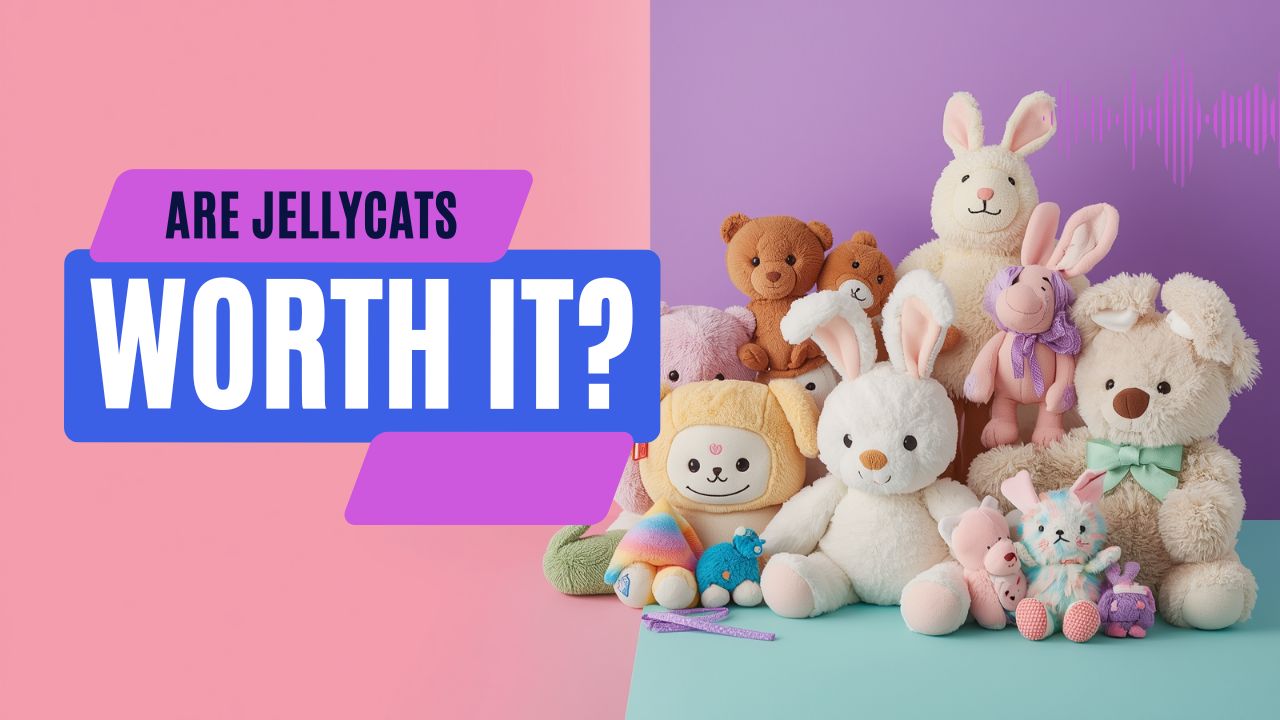
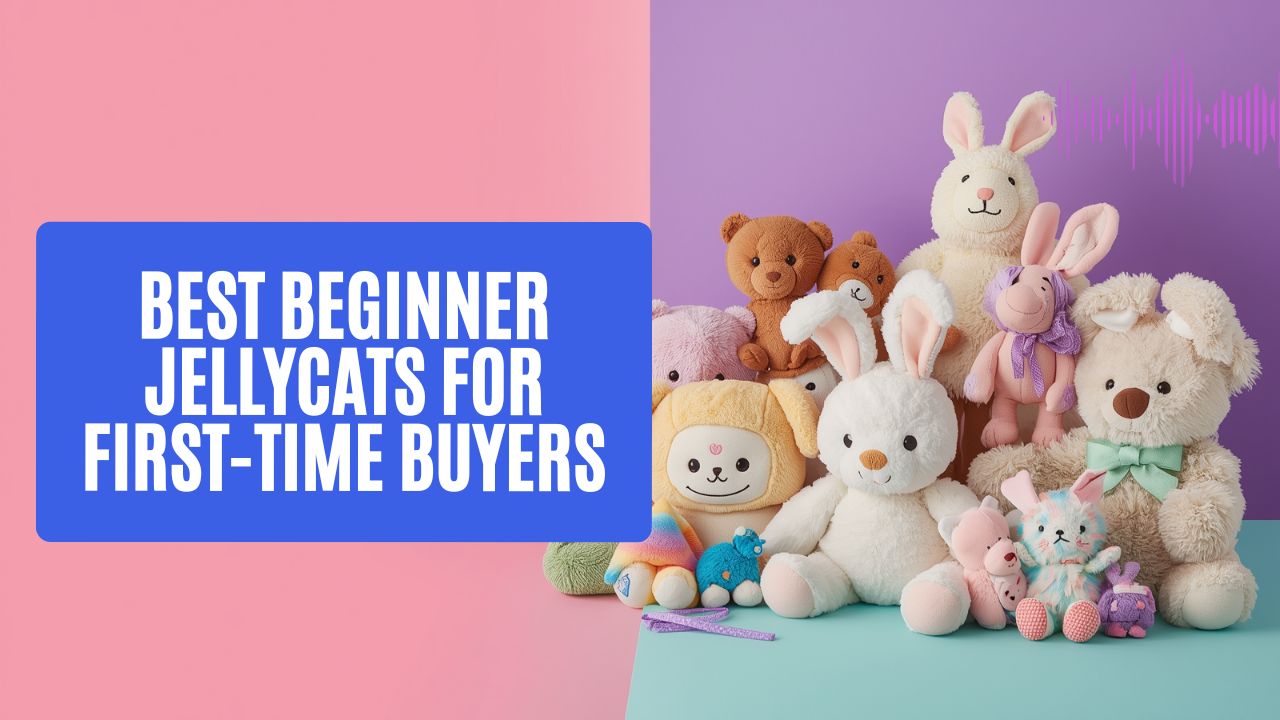
But why? Why are perfectly rational adults spending their disposable income on soft, bean-filled plushies with names like “Fuddlewuddle” and “Bartholomew Bear”?

The answer isn’t just about cute things. It’s about the underlying emotional architecture of a generation seeking safety in a chaotic world.


Quick Answer: Why Are Adults Obsessed with Jellycat?

Jellycat addiction is a multi-layered psychological response to modern life. It combines the need for tactile comfort (stress relief through soft textures), nostalgia (reclaiming childhood safety), dopamine-driven collecting (the thrill of the hunt), and social currency (belonging to a vibrant online community). In essence, Jellycats serve as tangible anchors of joy and emotional regulation in an increasingly digital and overwhelming world.


The Great Unraveling: Why Softness Became Our Anchor

Let’s be honest with ourselves: the last few years have been hard. The pandemic rewired our relationship with comfort, loneliness, and home. We spent months isolated in our spaces, craving touch and connection. When the world outside felt unpredictable, the world inside—our homes, our routines, our objects—became sacred.

Enter Jellycat.

Unlike other toys, Jellycats are specifically designed to be held. Their signature “Bashful” bunnies are perfectly weighted with tiny beans, making them feel surprisingly heavy in your hands. They don’t just sit there; they settle into your arms. This is no accident. It’s a masterclass in sensory design.

As CNN recently explored in their article, Jellycats are everywhere. Why are we suddenly so obsessed?, the obsession goes deeper than a cute face. It taps into a primal need for security. When you squeeze a Jellycat, you’re activating pressure points that lower cortisol (the stress hormone) and release oxytocin (the bonding hormone). It’s essentially a weighted blanket you can take to the office.

The financial world has taken notice, too. Fortune and Yahoo Finance have both broken down Jellycat’s staggering rise, linking it directly to the mental health crisis. When you can’t afford therapy, a house, or stability, a $30 friend that will never judge you, never leave you, and always smell faintly of lavender? That’s an accessible form of daily emotional regulation.


Let’s Talk About the “Little Treat” Economy

There is a very specific financial paradox happening with Jellycat fans. The economy is tough, rent is high, and yet people are happily spending $50, $150, even $500 on plushies.

Welcome to the “Little Treat” economy.

This is a trend born from TikTok, but it has deep psychological roots. When big life milestones (buying a home, getting married, having a stable career) feel out of reach, we pivot to smaller, more achievable wins. A daily coffee is a treat. A new lip gloss is a treat. And a Jellycat? That’s a big, permanent treat.

Glamour UK perfectly captured this sentiment, exploring the dopamine feedback loop of retail therapy. Unlike a latte that’s gone in ten minutes, a Jellycat sits on your bed, providing comfort every single day. It’s a high-value investment in your daily emotional state.

The psychology here is simple: We are buying reliability. In a world full of change, a Jellycat remains exactly the same. It doesn’t ghost you. It doesn’t expire. It just waits, silently, to be hugged.


The Algorithm of Cute: How TikTok & Pinterest Stoke the Fire

You can’t talk about Jellycat addiction without talking about the algorithm. These plushies are tailor-made for social media.

The “Unboxing” Experience

TikTok is flooded with videos of people carefully unwrapping Jellycats from their tissue paper. The crinkle sound. The reveal. The squeeze. It’s ASMR for the soul. These videos get millions of views because they simulate the purchase experience without the buyer’s remorse.

The Aesthetic Room Tour

Pinterest has become a virtual gallery for “cozy aesthetic” rooms. Jellycats are the star of the show. They sit in little wooden cradles, tucked into tiny beds, or displayed in clear cases like museum artifacts. This visual validation makes collecting feel less like hoarding and more like curation.

Scarcity Marketing

This is where the addiction gets real. Jellycat drops limited editions frequently—the Diner exclusives (think pancakes and coffee), seasonal vegetables, and region-specific animals.

One of the best examples of this is the Jellycat Diner NYC experience. Fans queue for hours to get exclusive items. If you’ve ever wondered what this pilgrimage looks like, our deep dive on the 12 Whimsical Reasons To Visit The Jellycat Diner Nyc explains exactly why it feels more like a concert ticket than a shopping trip.

The scarcity creates FOMO (Fear Of Missing Out) , which drives the immediate emotional need to buy. The brain says: “If I don’t get this now, I may never feel this joy again.”


The Hunt is the Heartbeat: Scarcity, Rarity, and the Collector’s High

Once you experience the “hunt,” you’re hooked.

Collecting Jellycats isn’t passive shopping; it’s an adventure. You have to know which stores stock them, what time shipments arrive, and how to spot a rare find.

This taps into the foraging instinct—the same part of the brain that gets excited when you find a perfectly ripe avocado or a $20 bill in an old jacket. The dopamine rush isn’t just from having the Jellycat; it’s from finding it.

The intensity of this hunt cannot be understated. One collector admitted to spending $5,000 on Jellycat plushies and selling her clothes to fund her obsession. While this is an extreme example, it highlights how the pursuit can sometimes overshadow the original comfort.

It’s also led to a massive market for fakes. Because demand is so high, counterfeiters are flooding the market with poor imitations. If you’re looking to invest in the real thing, it’s vital to know what you’re looking for. Our guide on 12 Ways To Tell If A Jellycat Is Fake Or Authentic is an essential read for any serious collector.


More Than a Toy: The Internal Shift Towards “Forever Objects”

There is a massive cultural shift happening in how we view adulthood. For decades, adulthood meant letting go of “childish” things. You grew up, you put away your toys, and you became serious.

Gen Z and Millennials are rejecting that.

They are redefining adulthood as a state where you can be responsible and find joy in simplicity. A Jellycat is not a “guilty pleasure.” It’s a proud companion.

UnHerd asked a fascinating question: “Why are women sleeping with Jellycats?” The answer taps into the loneliness epidemic. Instead of scrolling through your phone before bed (blue light, anxiety), sleeping with a plushie provides a physical anchor. It mimics the comfort of co-sleeping, reducing anxiety and improving sleep quality.

It’s also about permanence. Unlike digital subscriptions or fast fashion that falls apart, a Jellycat is built to last. They are machine washable, incredibly durable, and designed to be loved for years. This resonates deeply with a generation tired of disposable culture.

If you’re looking for the perfect companion to start this journey, the Bartholomew Bear is considered the ultimate gateway plush. He’s sturdy, expressive, and impossibly soft. We broke down exactly why the Jellycat Bartholomew Bear is perfect for anyone seeking that “forever friend.”


The Pros and Cons of a Plushie Obsession

Like any passion, collecting Jellycats has its highs and lows. Let’s look at the balance.

The Pros (The Heart)

  • Emotional Regulation: A physical tool for managing anxiety and stress.
  • Community: You instantly connect with millions of fans online and in real life.
  • Art Appreciation: Jellycats are genuinely well-designed objects.
  • Safe Hobby: It’s far healthier than many other coping mechanisms or vices.
  • Joy: It simply makes you happy. That is enough.

The Cons (The Head)

  • Financial Strain: It is easy to overspend if you don’t set boundaries.
  • Space: Collections can take over a room quickly.
  • Fakes: The market is riddled with scams if you don’t know where to look.
  • Supply Anxiety: Missing a drop can genuinely feel disappointing.

The key is mindful collecting. Buy what sparks joy, not what the algorithm tells you to buy.


Why This Trend is Genuinely Different from Past Crazes

Some critics compare Jellycat to Beanie Babies. But the psychology is fundamentally different.

Beanie Babies were purely speculative investments. People bought them hoping they’d pay for college. It was about money.

Jellycat is about emotional value. You don’t buy a Jellycat hoping it goes up in value; you buy it to hug at 3 AM when you can’t sleep.

Another key difference is the aesthetic integration. Jellycats look good in your home. They are designed to be seen. They fit into the “cozy aesthetic” that dominates Pinterest. It’s not a stack of boxes in a closet; it’s a curated display.

For those comparing the different plushie universes, our article on Labubu Vs Jellycat Which Plush Toy Wins For You explores the nuances between these competing worlds. The verdict often comes down to what you need: Labubus offer a more “trendy” edge, while Jellycats provide that undeniable, primal softness.


Frequently Asked Questions About Plushie Psychology

Why are we suddenly so obsessed?
We aren’t “suddenly” obsessed—we just feel safe talking about it now. Social media has destigmatized emotional support items. The pandemic broke down the walls of “professional adulthood,” and we realized we all just want to feel safe.

What does the demand say about the changing way we see adulthood?
It says we are redefining maturity. True maturity is knowing what you need to survive emotionally and not being ashamed to ask for it. If a plushie helps you sleep and lowers your stress, it’s not childish—it’s smart self-care.

Why are so many young adults spending their money on toys?
Because the “big” markers of success (home ownership, financial security, stable marriage) are delayed or out of reach. Jellycats offer a low-cost, high-certainty return on investment in your own happiness. It’s a tangible asset of joy.

How do you handle disappointment? (Missing a drop or a rare find)
This is a crucial part of the psychology. Disappointment is real. The key is to reframe the hunt. The journey of visiting stores, connecting with other collectors, and the anticipation is part of the experience. If you miss out, it allows you to appreciate what you already have. For specific tips on finding them, check out the Top 10 Places To Find Jellycat In London for a dedicated hunt guide.

What makes us tick?
Softness + Scarcity + Social Validation. The softness triggers our biological need for comfort. The scarcity triggers our dopamine reward system. And the social validation makes us feel like we belong to a tribe that “gets it.”


Conclusion: It’s Not Just Fluff

At the end of the day, the psychology behind Jellycat addiction isn’t complicated. It’s deeply human.

We are soft creatures living in a hard world. We crave touch, beauty, and reliability. We want to collect moments of joy and hold them in our hands.

A Jellycat doesn’t judge you. It won’t unsubscribe itself. It simply sits there, offering a silent, squishy invitation to take a deep breath.

So if you love them, love them unapologetically. Buy the Bear. Get the Bunny. Decorate the shelf.

In a world that often tells us to harden up, the soft revolution is a quiet act of rebellion.

The best Jellycat is the one that makes you feel something.


Tags: psychology, behind, jellycat, addiction

Comments (0)

Leave a Comment

Loading comments...

← Back to Journal

Search

Tags

Advertisement

Recent Posts

Latest articles and insights

Are Jellycats Worth It? Honest Collector Review

May 16, 2026

Best Beginner Jellycats for First-Time Buyers

May 16, 2026

How to Spot a Fake Jellycat (2026 Guide)

May 16, 2026

How to Wash Jellycat Plushies Without Ruining Them

May 16, 2026

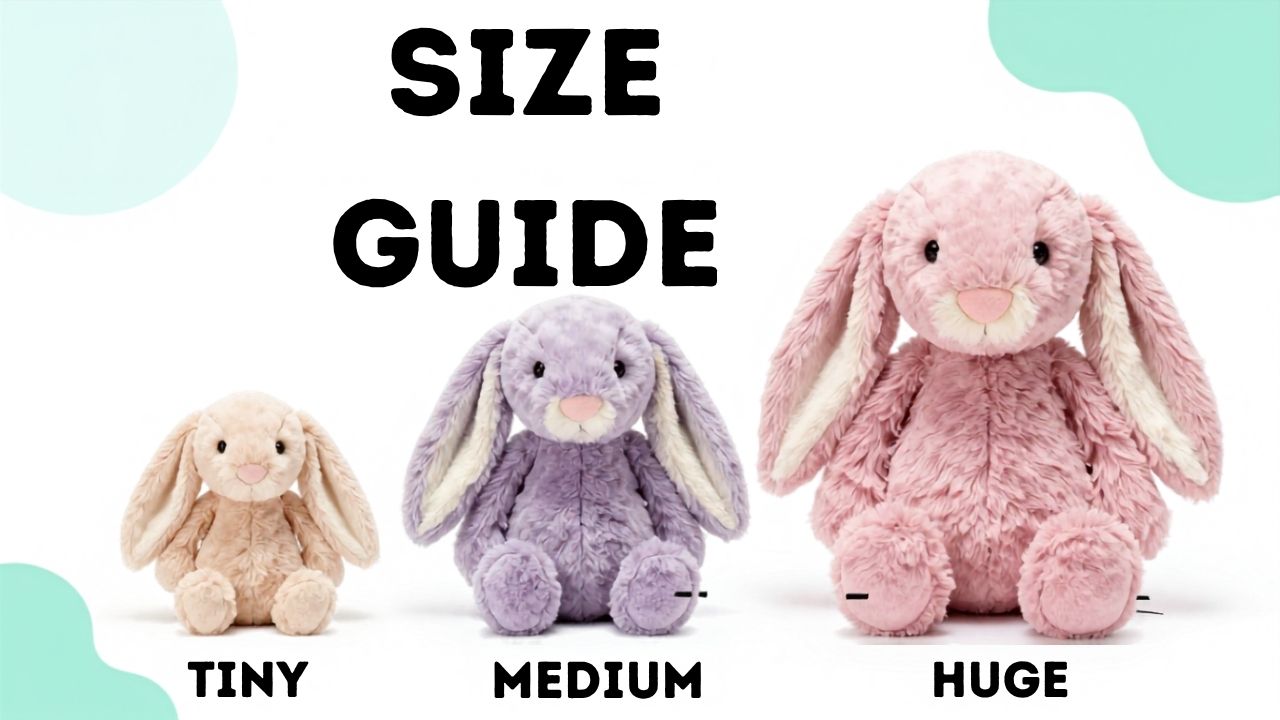
Jellycat Size Guide: Tiny vs Medium vs Huge

May 16, 2026