Serbakece
  • Home
  • Blogs
Sign In
Serbakece

Serbakece.com shares the latest in beauty and cute lifestyle trends, including eyelash extensions, nail art designs, and collectible toys like Labubu and Jellycat. Find tips, reviews, and inspiration for a stylish and aesthetic life.

Page

  • About
  • Privacy Policy
  • Terms and Conditions
  • Disclaimer
  • Contact Us

© 2026 — SerbaKece.com. All Rights Reserved. • Sitemap

Made with ❤️

What Is Jellycat and Why Is Everyone Obsessed With It?

Discover why adults are obsessed with Jellycat plush toys. Meet the British luxury brand behind the soft revolution and the psychology fueling the craze. What I

A
Alicia
May 16, 2026•9 min read
Share this:

Discover why adults are obsessed with Jellycat plush toys. Meet the British luxury brand behind the soft revolution and the psychology fueling the craze.

What Is Jellycat and Why Is Everyone Obsessed With It?

There’s a soft, squishable revolution happening right now, and it’s not just for kids. Walk into any coffee shop, scroll through your TikTok feed, or browse a cozy aesthetic Instagram board, and you’ll spot them: plush bunny rabbits with impossibly long ears, bashful pandas with blushing cheeks, and oddly adorable vegetables with tiny smiles. They’re Jellycats, and adults—yes, grown-ups with jobs and rent—are collecting them like rare gemstones.

I first noticed the obsession when my best friend, a 30-year-old lawyer, proudly showed me her “Bashful Bunny” collection, carefully arranged on a shelf between her law books. I laughed nervously. Then I bought one. Now I own six. If you’ve ever wondered why these plush toys have taken over the world, you’re not alone. Let’s dive into the fluff—and the psychology behind it.
Quick Answer: What Is Jellycat?

Jellycat is a British luxury toy brand founded in London in 1999. It creates incredibly soft, often whimsical plush toys with names like “Bashful Bunny,” “Amuseable,” and “Fuddlewuddle.” The brand is best known for its ultra-velvety fabrics, quirky designs (everything from toast to broccoli with legs), and the emotional comfort they provide to collectors of all ages. Think of them as the high-end, designer cousins of your childhood teddy bears—only far more fashionable, collectible, and viral on social media.


The Story Behind Jellycat: From London to Global Obsession

Jellycat was born in a small London shop by founders William and Thomas Gatacre. The name itself is a playful combination of “jelly” and “cat”—an intentional nonsense word that reflects the brand’s lighthearted spirit. What started as a range of quirky gifts and soft toys quickly evolved into something cult-like.

In 2025, according to CNN, Jellycats are everywhere. The article notes that adults are driving the trend, splurging hundreds of dollars on these plush companions. The brand’s Wikipedia entry Jellycat – Wikipedia traces its rise from niche baby store item to global phenomenon, now available in high-end department stores and specialty boutiques worldwide.

What Makes a Jellycat Special?

It’s not just the softness—though the signature “Jellycat fur” is almost scientifically addictive. Each toy has a distinct personality. The Bashful Bunny has droopy ears and a gentle expression that somehow looks both sad and comforting. The Amuseable series gives everyday objects (like a croissant or an avocado) tiny legs and a face that invites hugs. And the Fuddlewuddle line features slightly messy, tousled fur that begs to be cuddled.

Every design is intentionally imperfect. Eyes are placed slightly off-center, mouths are asymmetrical—this gives each toy a unique, hand-crafted feel that machines can’t replicate. It makes you feel like your Jellycat is yours.


Why Everyone Is Obsessed: The Emotional Science of Jellycat

The Jellycat obsession isn’t just a fad; it taps into deep psychological needs. Let’s break down why collectors—especially adults—can’t stop buying.

1. Nostalgia for a Gentler Time

Remember the stuffed animal you slept with as a child? Jellycat recreates that comfort, but with an adult twist. The designs are cute without being childish—minimalist, high-quality, and aesthetically pleasing enough to sit on a bookshelf next to your scented candle collection. For many, holding a Jellycat brings back a sense of safety and innocence, which feels especially precious in a chaotic world.

2. The Comfort of Tactile Pleasure

The texture is everything. Jellycat uses a proprietary “Kitten” fur that is impossibly soft, almost like petting a real rabbit or cat. Running your fingers through it triggers a relaxation response. There’s a reason why Jellycat toys are often prescribed as emotional support items—they’re literally designed to soothe.

3. The Hunt for Rarity

Jellycat releases collections in seasonal drops, and some designs sell out within hours. Limited editions (like holiday specials or store-exclusives) become instant collectibles. The thrill of the hunt—scrolling through resale sites, refreshing the website, or visiting a store at opening time—adds a layer of excitement. Think of it like sneaker culture, but with bunnies.

4. Community and Social Validation

TikTok and Pinterest have turned Jellycat collecting into a visual sport. The hashtag #Jellycat has billions of views. People post “Jellycat shelves,” coordinate outfits between their plushies and their own clothes, and trade rare finds. It’s a community built around softness and joy—an antidote to the often harsh online world.


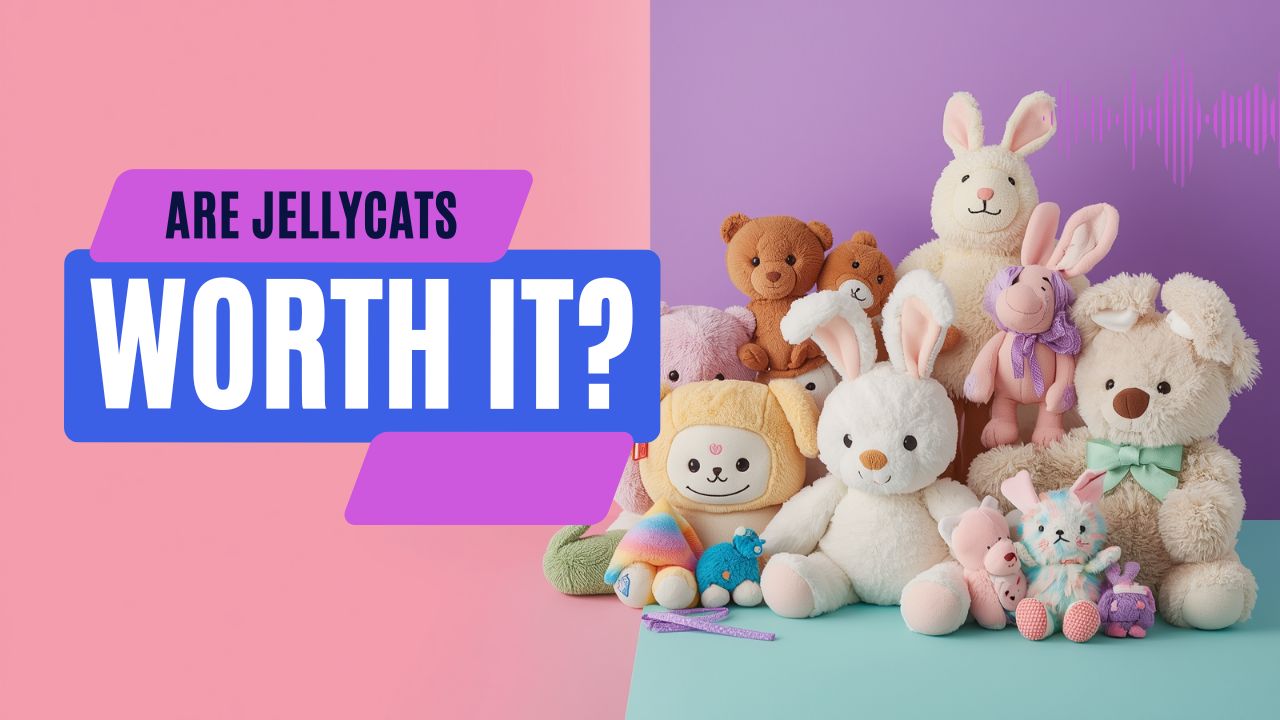
Jellycat vs. Other Plush Brands: Is It Worth the Hype?

You might wonder: why not just buy a cheaper stuffed animal? Let’s compare Jellycat to its main competitor, Squishmallows.

Feature Jellycat Squishmallows
Material Ultra-velvety, slightly silky Marshmallow-like, squishy foam
Design Quirky, detailed personalities Round, simple, often licensed characters
Price $20–$100+ for standard sizes $10–$40 for standard sizes
Collectibility High, limited editions, rare drops Moderate, some exclusives
Emotional appeal Vintage, nostalgic, artisanal Playful, soft, stress-relief

Pros of Jellycat:
– Unmatched tactile quality
– Unique, artful designs that feel like art pieces
– Emotional resonance beyond toys
– Holds resale value for rare items

Cons of Jellycat:
– Expensive compared to similar plush
– Some designs can be hard to find, leading to frustration
– Not all designs appeal to everyone (some find them too quirky)
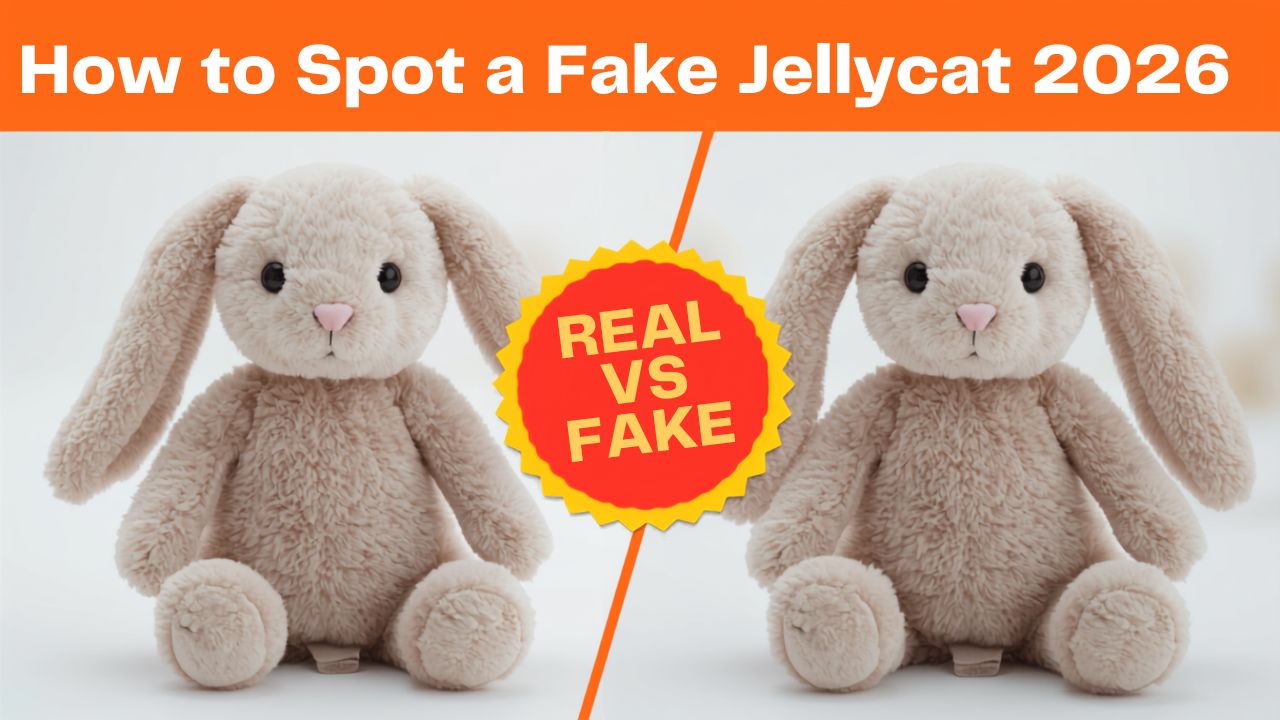
– Real vs. fake issues (see our guide on 12 Ways To Tell If A Jellycat Is Fake Or Authentic)

So, Are Jellycats Worth It?

If you value emotional comfort, aesthetic design, and a sense of community, absolutely. If you just need a cheap cuddle buddy, a Squishmallow might cover the basics. But for those who fall into the obsession, no other plush compares.


Why Are Adults Obsessed with Jellycats?

Let’s get specific. The trend of adults buying stuffed animals isn’t new—but Jellycat has taken it to another level. According to Reader’s Digest, the brand’s appeal lies in its ability to bridge childhood nostalgia with adult aesthetics. Unlike typical toys, Jellycats are considered “decor” by many collectors. They’re styled on shelves, beds, and even carried as handbag accessories.

The booming “therapy boutique” market also plays a role. Many people use Jellycats for anxiety relief. The act of holding a soft object reduces cortisol levels, and the gentle weight of a medium-sized Jellycat can be grounding. It’s like a weighted blanket, but friendlier.


The TikTok and Pinterest Phenomenon

If you’ve been on TikTok in the last year, you’ve seen the trend: unboxing videos, “Jellycat collection tours,” and ASMR-style handling videos where the only sound is the rustle of tags and the soft texture against a microphone. These videos are oddly satisfying and generate millions of views.

Pinterest is another playground. Boards titled “Jellycat aesthetic” feature pastel-colored plush arranged with polaroid cameras, dried flowers, and cup of tea. The brand has become synonymous with cozy vibes and hygge culture. For many, seeing a Jellycat is an instant mood booster.


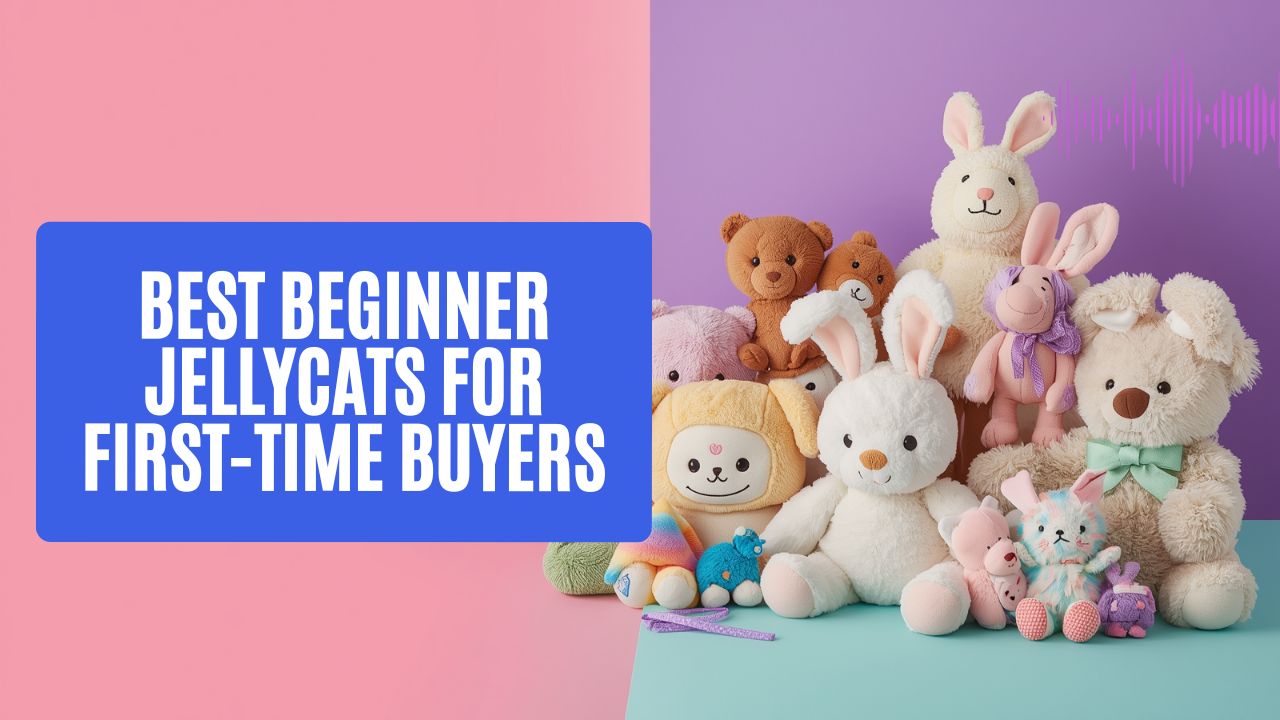
How to Start Your Jellycat Collection (Without Going Broke)

1. Choose Your First Design

Most collectors start with the classic “Bashful Bunny.” It’s the entry-level gateway drug. But if you want something unique, try the “Amuseable” series—a smiling fried egg or a plump strawberry always makes people smile.

2. Know Where to Buy

You can find Jellycats at major retailers like Selfridges in London, Nordstrom in the US, or the official Jellycat website. For a truly magical experience, visit London’s Jellycat stores. Our guide on Top 10 Places To Find Jellycat In London will help you plan the perfect plush pilgrimage.

3. Be Aware of Fakes

Jellycat popularity has spawned counterfeit plush that use scratchy fur and misshapen features. Always buy from reputable sellers. If you’re unsure, our guide on 12 Ways To Tell If A Jellycat Is Fake Or Authentic can save you from a costly mistake.

4. Join the Community

Follow #Jellycat on Instagram and TikTok. Join collector groups on Facebook. Talk to fellow “Bartholomew Bear” fans—speaking of which, if you love bears, read our breakdown: 12 Reasons Why Jellycat Bartholomew Bear Is Perfect.


The Jellycat Gallery: Which Plush Are Most Popular?

Here are some fan favorites that you’ll see everywhere:

  • Bashful Bunny – The OG. Available in dozens of colors.
  • Bartholomew Bear – A chunky, grumpy-faced bear that somehow radiates love.
  • Amuseable Croissant – Yes, a smiling croissant with legs. Viral on TikTok.
  • Fuddlewuddle Puppy – Soft and scruffy, perfect for dog lovers.
  • Smudge Elephant – Extra-long limbs for maximum hugging surface.

Frequently Asked Questions

Why Are Jellycats the Latest TikTok Trend?

Jellycats are perfect for ASMR-style videos, minimalist aesthetics, and the “baby fever” culture among young adults. Their unique designs and soft textures translate exceptionally well to short-form video. Plus, the scarcity of some designs creates “grail hunting” content.

Why Are Jellycats So Popular?

They combine high-quality materials, emotional comfort, aesthetic value, and collectibility. In a world that feels increasingly stressful, Jellycats offer a simple, tactile source of joy that doesn’t require a screen.

What Is Jellycat and Why Is Every Baby Obsessed With It?

As explained in an article from Nini & Loli, babies are drawn to the ultra-soft textures and whimsical faces. But the “obsession” is really a family affair—parents are the ones who discover Jellycat and then gift them to their children.

What makes a Jellycat special?

The fabric is unmatched. Jellycat uses a proprietary blend that feels almost alive. The design process is rigorous—each toy must pass a “huggability test.” The result is a companion that feels like it was made specifically for you.

What Is Jellycat & Why Are So Many People Obsessed With It?

According to SAYS Malaysia, the obsession is driven by a mix of nostalgia, social media virality, and the pursuit of “little joys.” Collectors describe it as “emotional dopamine.”


Conclusion: More Than Just a Stuffed Animal

When you hold a Jellycat, you’re not just cuddling a toy. You’re reconnecting with a version of yourself that believed in magic. You’re participating in a global community that celebrates softness, kindness, and the silly beauty of a smiling avocado. Whether you’re a collector, a parent, or someone looking for a bit of comfort in a hard world, Jellycat offers a simple truth: happiness can be small, fluffy, and wonderfully ridiculous.

So go ahead—buy that bashful bunny. Your inner child (and your shelf) will thank you.


Want more Jellycat guides? Explore our collection of articles on Jellycat Bartholomew Bear and learn how to spot fakes with our authenticity guide.


Tags: jellycat, everyone, obsessed, it

Comments (0)

Leave a Comment

Loading comments...

← Back to Journal

Search

Tags

Advertisement

Recent Posts

Latest articles and insights

Are Jellycats Worth It? Honest Collector Review

May 16, 2026

Best Beginner Jellycats for First-Time Buyers

May 16, 2026

How to Spot a Fake Jellycat (2026 Guide)

May 16, 2026

How to Wash Jellycat Plushies Without Ruining Them

May 16, 2026

Jellycat Size Guide: Tiny vs Medium vs Huge

May 16, 2026