Serbakece
  • Home
  • Blogs
Sign In
Serbakece

Serbakece.com shares the latest in beauty and cute lifestyle trends, including eyelash extensions, nail art designs, and collectible toys like Labubu and Jellycat. Find tips, reviews, and inspiration for a stylish and aesthetic life.

Page

  • About
  • Privacy Policy
  • Terms and Conditions
  • Disclaimer
  • Contact Us

© 2026 — SerbaKece.com. All Rights Reserved. • Sitemap

Made with ❤️

Why Jellycats Keep Selling Out So Fast

Struggling to find a Jellycat in stock? Discover why these viral plush toys sell out instantly and how to snag one before they vanish again. Why Jellycats Keep

A
Alicia
May 16, 2026•9 min read
Share this:

Struggling to find a Jellycat in stock? Discover why these viral plush toys sell out instantly and how to snag one before they vanish again.

Why Jellycats Keep Selling Out So Fast

If you’ve tried to buy a Jellycat recently, you already know the pain. You find the perfect Bashful Bunny or the viral Smudge Elephant, click “add to cart,” and… sold out. Again. It’s not just you. Across the US, UK, Canada, and Australia, Jellycat shelves empty faster than a bakery selling fresh croissants. These impossibly soft plush toys have become the must-have item — not just for kids, but for adults who crave comfort, nostalgia, and a little bit of internet-approved cuteness.

So what’s behind this frenzy? Why do Jellycats keep selling out so fast? The answer is a tangle of clever scarcity, emotional marketing, social media fire, and genuine product obsession. Let’s unpack it — and maybe help you score your next cuddle buddy before it vanishes again.

Quick Answer: Why Jellycats Are Always Gone

Jellycats sell out quickly because of a perfect storm: limited production runs, skyrocketing demand, viral social media trends, and a collector culture that treats each new release like a drop from a streetwear brand. The company intentionally restricts supply to maintain exclusivity, while retailers often receive small batches. When a TikTok video or celebrity mention sends thousands of people to the same page, inventory evaporates in minutes.
The Perfect Storm of Scarcity and Hype

Limited Drops and Retailer Scarcity

Jellycat doesn’t produce endless quantities of any single design. They release seasonal collections, retired lines, and limited-edition characters — and once they’re gone, they’re gone (or they cost triple on the resale market). Retailers like Harrods, Selfridges, and independent toy shops get small allocations. When a new design drops, it’s a race.

As noted in a detailed analysis on Alibaba, the brand’s intentional underproduction creates a “scarcity loop” that drives repeat visits to store websites. People check obsessively, hoping for a restock announcement.

The Resale Market Frenzy

Once a Jellycat sells out at retail, resellers pounce. eBay, Depop, and Mercari are flooded with listings at 2x, 3x, even 5x the original price. The most sought-after designs — like the retired Woody Bear or limited Jack the Pumpkin — can fetch hundreds of dollars. This secondary market fuels the “fear of missing out” (FOMO) that makes people buy even faster when they see a drop.

A CNN article recently explored how adult collectors treat Jellycats like luxury goods. The emotional attachment, combined with scarcity, creates a buying behavior more akin to sneaker drops than a trip to the toy aisle.

Why Jellycats Feel Like Emotional Therapy

The Comfort of Softness

Jellycat uses incredibly soft, dense fabrics — many of their plush toys are filled with synthetic fibers that mimic the weight and feel of a real animal. The sensory experience is calming. When you hold a Jellycat, you’re not just holding a stuffed animal; you’re holding a tactile antidote to stress. This is especially appealing to adults who use plushies for anxiety relief, bedtime comfort, or simply as desk buddies during remote work.

Adult Collectors and Cozy Aesthetics

The “cozy aesthetic” trend on TikTok and Pinterest has turned Jellycats into home decor. They sit on beds, shelves, and sofas as part of a carefully curated vibe. Young adults in their twenties and thirties proudly display their collections, often rotating them seasonally. The emotional appeal is so strong that even people who never had a stuffed animal as a kid find themselves buying their first Jellycat.

For comparison, similar dynamics are at play in other collectible trends. Check out our article on 12 Reasons Why Is Labubu So Expensive to see how scarcity and emotional branding drive prices in the designer toy world.

Social Media’s Role in the Jellycat Craze

TikTok Unboxings and Viral Moments

Open TikTok and you’ll see countless videos of people unboxing Jellycats. The “squish test,” the “first touch,” the dramatic reveal of a rare design — these videos get millions of views. When a particular Jellycat goes viral (like the Smudge Monkey or Bashful Bat), demand spikes overnight. Retailers can’t keep up.

The algorithm rewards novelty and emotion. Jellycat content ticks both boxes. A 30-second video of someone hugging a new plushie triggers dopamine — and viewers immediately want the same feeling.

Pinterest’s Aesthetic Appeal

On Pinterest, Jellycats populate boards dedicated to “cozy bedroom ideas,” “cute gifts for her,” and “aesthetic plush collections.” The visually pleasing, soft-focus photographs of these toys make them pins with high engagement. Pinterest users create wish lists and save links to buy — only to find the item is sold out. This cycle of visual desire and unavailability only amplifies the hype.

A deeper look into retail dynamics can be found at JellycatDragons, which examines how shops struggled to keep inventory during the pandemic and beyond.

Pros and Cons of the Jellycat Obsession

Every collector coin has two sides. Here’s an honest look at the highs and lows.

Pros

  • Exceptional Quality – Jellycat plush toys are durable, machine-washable (many), and feel premium.
  • Emotional Value – They provide genuine comfort, reduce anxiety, and make thoughtful gifts.
  • Collectible Fun – Chasing new releases, retired designs, and seasonal variants is a rewarding hobby.
  • Safe for All Ages – No small parts, tested for safety, suitable from birth (some lines).
  • Sustainability Efforts – Jellycat has introduced recycled-fill options and reduced plastic packaging.

Cons

  • High Price Point – A small bunny can cost $30–$50; larger ones exceed $100.
  • Extreme Scarcity – You often can’t find what you want without paying resale premiums.
  • Reseller Exploitation – Bots and scalpers snatch up limited drops, frustrating genuine fans.
  • Overhyped Market – Some argue the brand’s popularity is driven more by social pressure than actual product innovation.
  • Difficulty Gift Shopping – If you’re not a collector yourself, knowing which design is rare or available is a challenge.

The MarqBusiness article highlights how supply chain issues and retailer frustration have added to the complexity of buying Jellycats.

Trend / Viral Culture: Why It’s Not Just a Toy

Jellycat isn’t just a stuffed animal — it’s a cultural symbol. In an anxious, digitally overloaded world, people turn to soft, simple things for reassurance. Plush toys have become emotional support objects for adults, normalized by social media. The phrase “emotional support Jellycat” pops up everywhere.

The trend also intersects with “kidult” culture — adults buying toys they missed as children or using them to reclaim joy. Jellycat’s designs, which range from realistic animals to utterly absurd food items (think: a smiling avocado with legs), invite whimsy. That playfulness feels vital in a serious world.

Retailers have taken notice. Some now host “Jellycat events” where fans line up hours before opening. Online drops crash websites. The brand’s official website often shows “notify me when back in stock” buttons — but notifications rarely result in a successful purchase because stock disappears within minutes.

According to Princess Pea’s blog, there are six distinct reasons Jellycats are so pricey and sought-after — including premium materials, licensing costs, and brand loyalty.

Even the DHGate analysis confirms that the out-of-stock phenomenon is now a permanent feature of the Jellycat market, not a temporary glitch.

FAQ: Everything You’ve Wondered About Jellycat Stock

Why Are Jellycats So Expensive?

Jellycats use high-quality materials, custom-designed fabrics, and meet rigorous safety standards. The brand also invests in whimsical design that often involves multiple fabric textures in one toy. Plus, their deliberate scarcity keeps prices from dropping. Compare this to other designer plush like Labubu — which we break down in 12 Reasons Why Is Labubu So Expensive — and you’ll see a similar pattern of premium pricing driven by emotional branding.

Why Is Jellycat Always Out of Stock?

Jellycat intentionally limits production to maintain exclusivity and brand desirability. Retailers receive small, unpredictable batches. Social media spikes cause instantaneous sellouts. The combination of limited supply and massive demand means most designs are out of stock more often than in stock.

What Time Do Jellycats Drop?

There’s no universal drop time. Some retailers restock at midnight (local time), others at 9:00 AM. Follow Jellycat’s official social media accounts and sign up for retailer newsletters for the most accurate drop times. However, even knowing the time doesn’t guarantee success — bots and thousands of fans refresh the same page.

Why Are Jellycats So Popular?

They offer a rare trifecta: emotional comfort, collectible excitement, and social media appeal. The softness is addictive, the designs are cute, and owning a rare Jellycat signals membership in an exclusive club. In a world that often feels harsh, Jellycats are a soft place to land.

Why Are Jellycats So Much More Expensive Than Other Stuffed Animals?

Most stuffed animals are mass-produced with generic materials. Jellycat invests in proprietary textures, detailed stitching, and playful shapes. They also lack the licensing economies of scale (no Disney or Pokémon tie-ins, for example). Their small-batch manufacturing drives up per-unit costs, and the brand’s premium image allows them to charge more.

Conclusion: The Cuddle That’s Worth the Chase

Jellycat’s constant sellouts are frustrating, but they’re also evidence of something beautiful: people genuinely love these toys. They’re not just buying a stuffed animal; they’re buying a moment of softness, a piece of joy, a ticket back to childhood. The scarcity may be designed, but the emotion is real.

If you’re still hunting for your dream Jellycat, don’t give up. Set alerts, follow restock accounts, and — when you finally grab one — hold it tight. You’ve earned that hug.

And if you’re curious about other collectible crazes, our deep dive into the world of Labubu might surprise you. After all, the internet’s obsession with soft, rare, emotionally valuable things is not going anywhere.


Tags: jellycats, keep, selling, out, fast, jellycat

Comments (0)

Leave a Comment

Loading comments...

← Back to Journal

Search

Tags

Advertisement

Recent Posts

Latest articles and insights

Are Jellycats Worth It? Honest Collector Review

May 16, 2026

Best Beginner Jellycats for First-Time Buyers

May 16, 2026

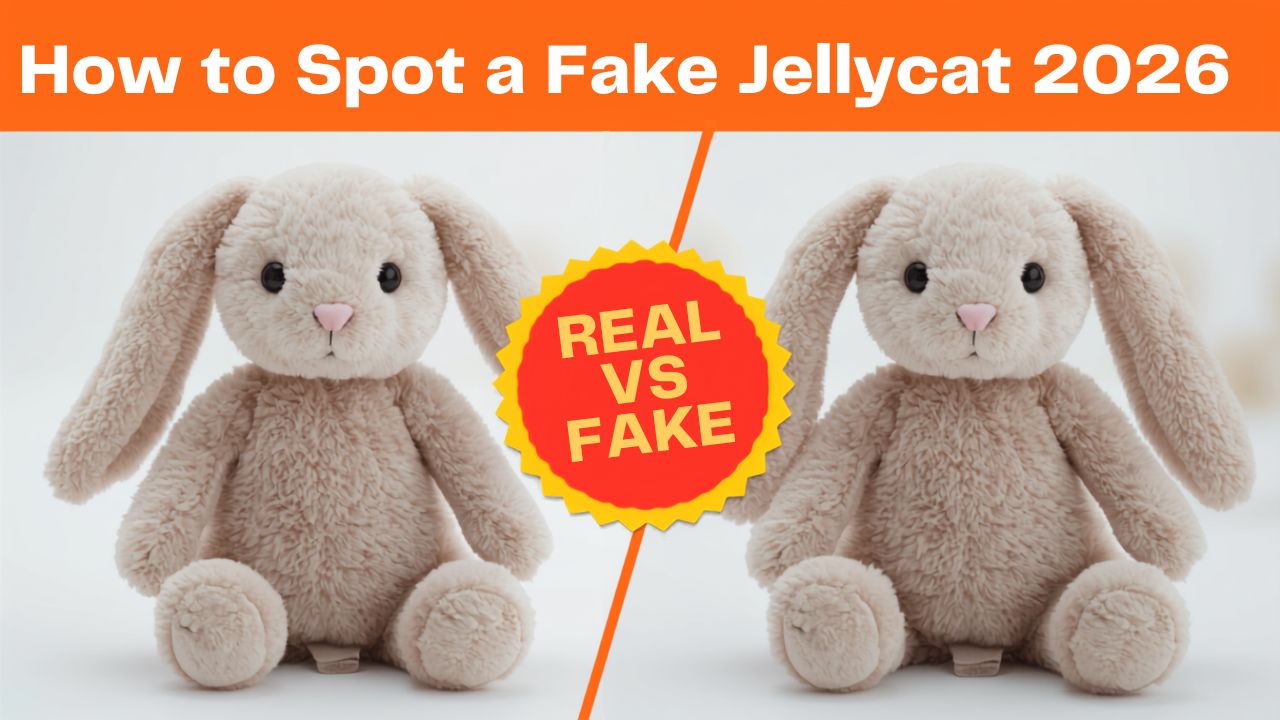
How to Spot a Fake Jellycat (2026 Guide)

May 16, 2026

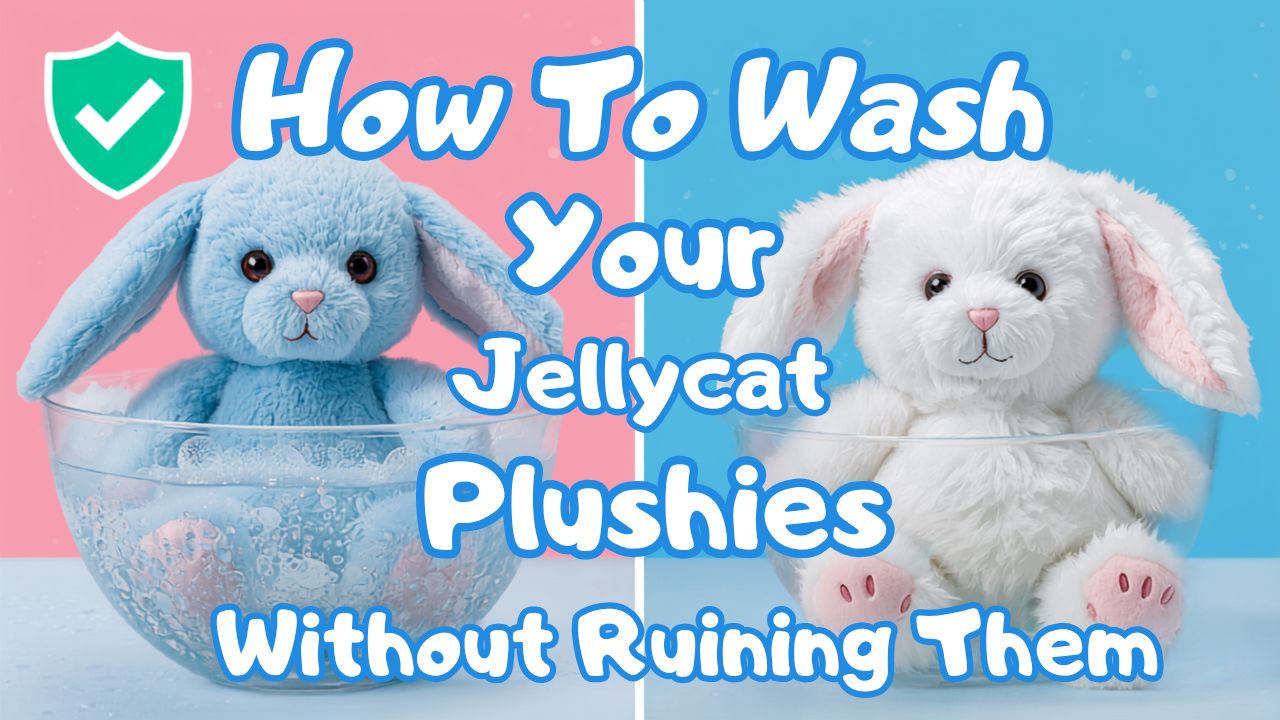
How to Wash Jellycat Plushies Without Ruining Them

May 16, 2026

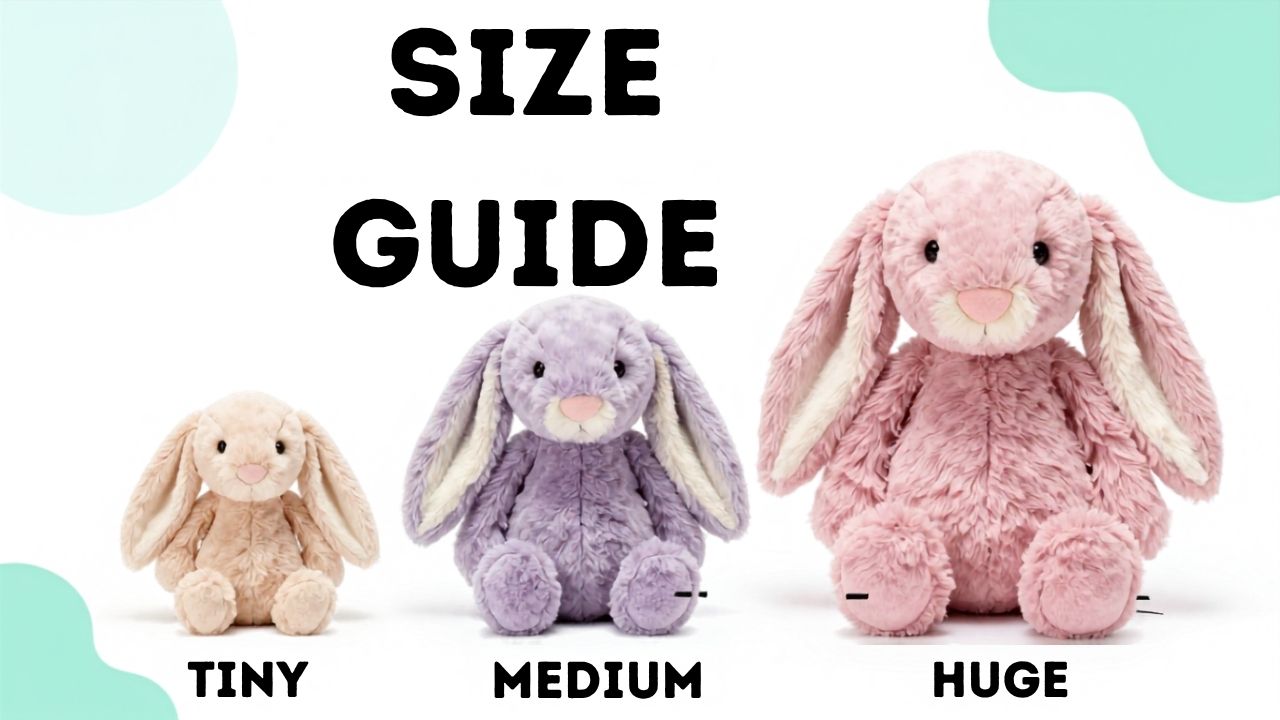
Jellycat Size Guide: Tiny vs Medium vs Huge

May 16, 2026